Peru Coffee Greens
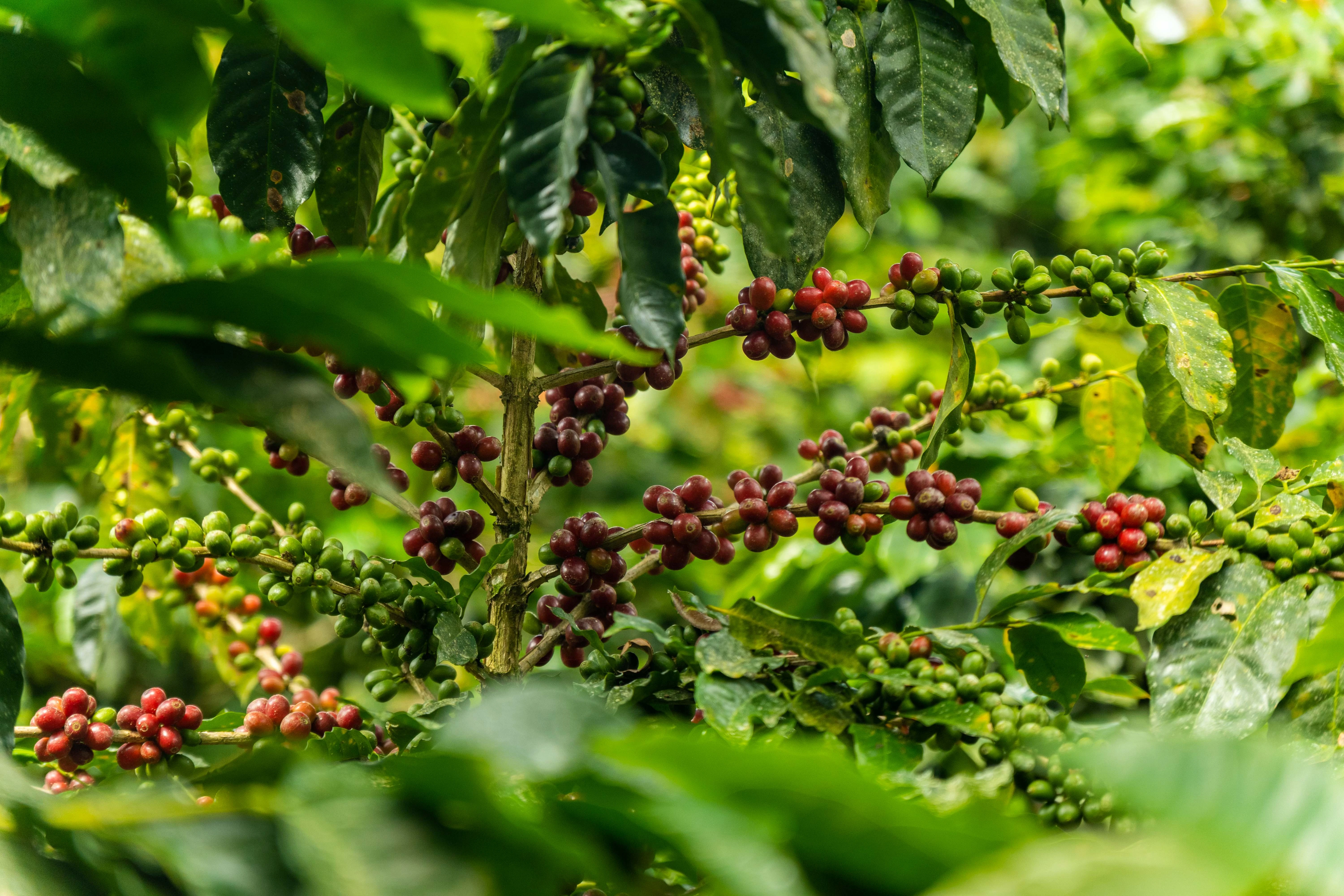
Peru is among the top ten producers of arabica in the world. Coffee is grown in more than ten regions, each with its own terroir. Peru is one of the leading suppliers of organic coffee globally, grown without the use of chemical fertilizers. Coffee trees are mostly shade-grown on small farms at elevations typically between 1,000 and 2,000 meters above sea level. This allows more sugars and acids to develop in the beans, resulting in a more complex cup.
The main varieties are Caturra, Typica, and Catimor, with smaller shares of Bourbon and other local cultivars. Washed processing remains the dominant method. Modern Peruvian specialty coffee is known for its clean profile, soft but expressive acidity, and performs especially well in light to medium roasts.
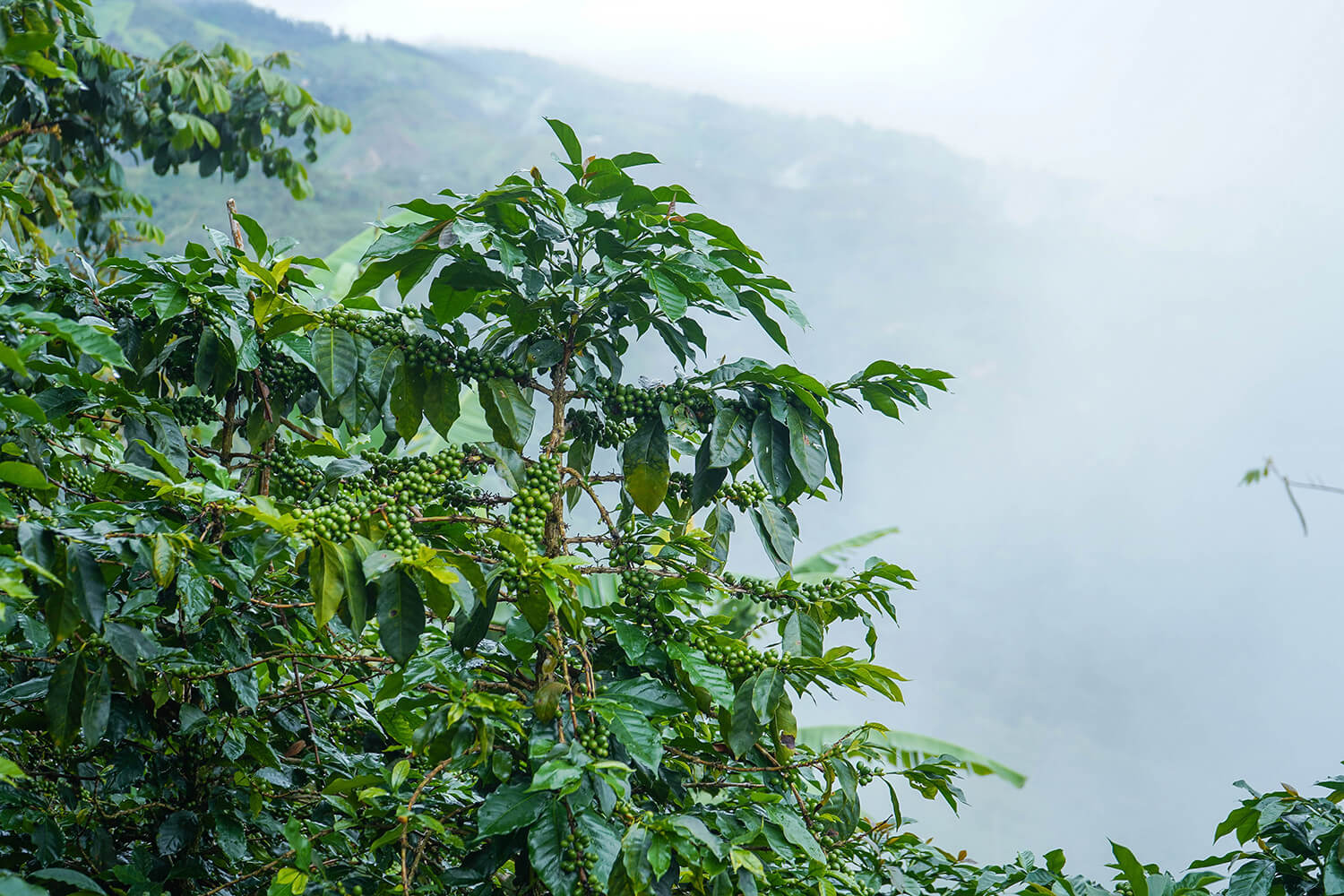
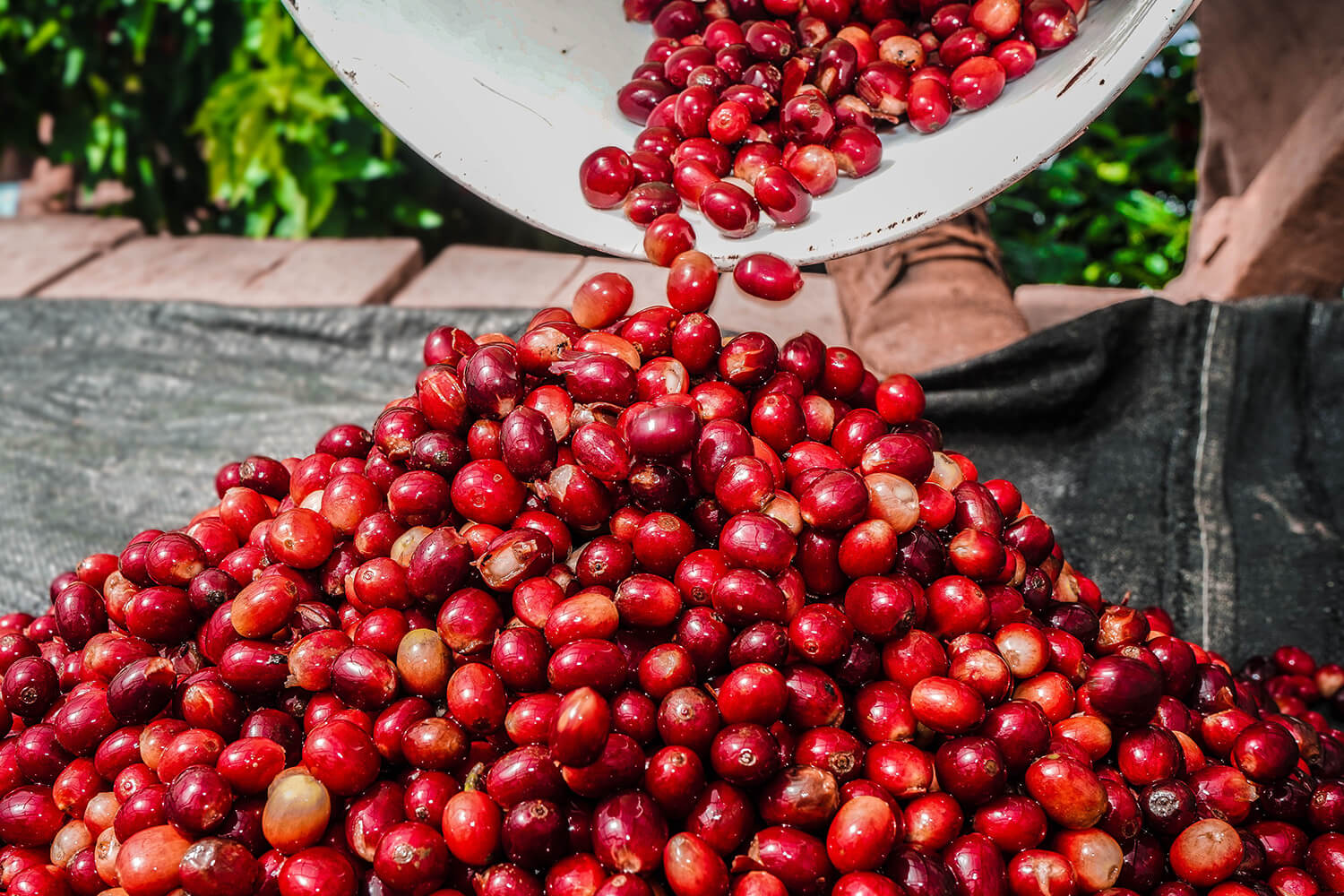
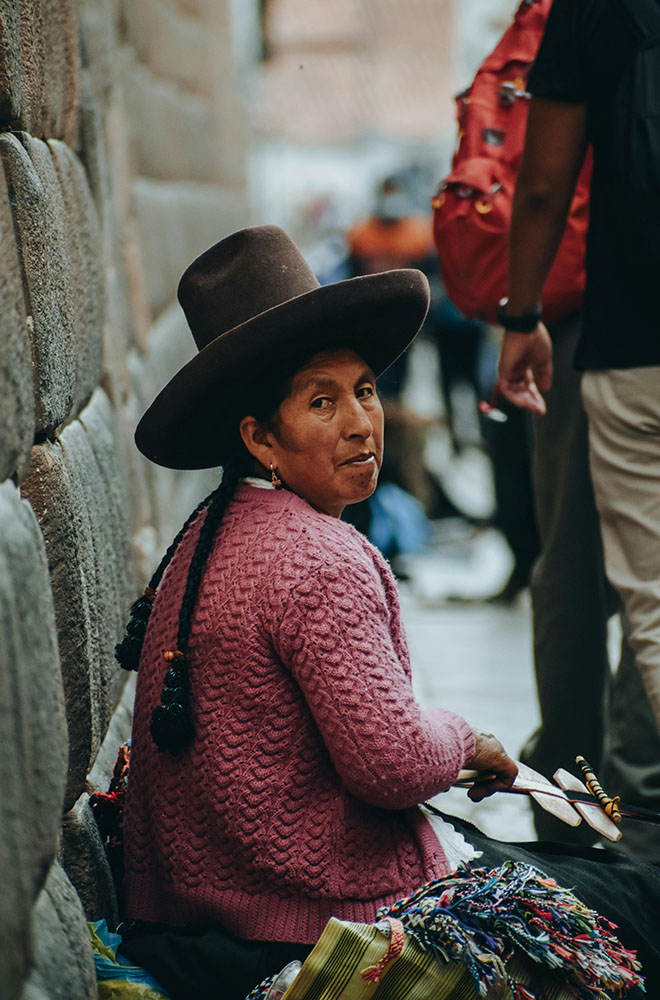
Assortment of the Green Coffee from Peru
Cajamarca
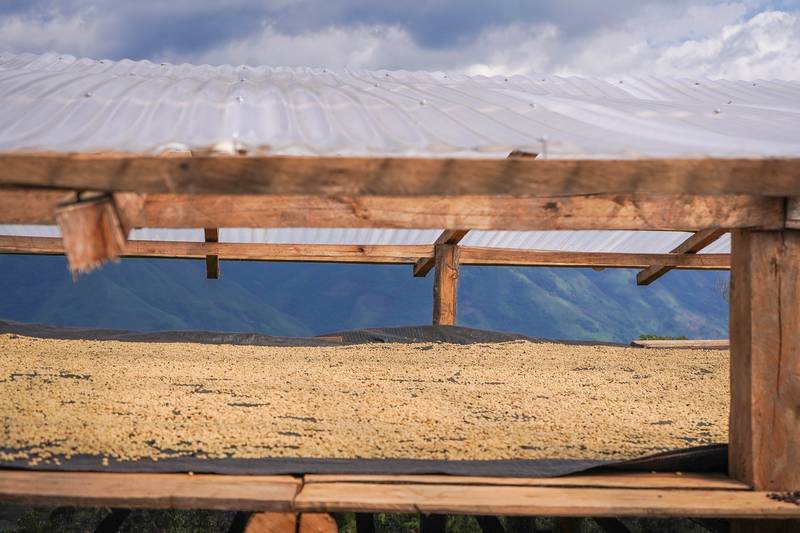
Cajamarca is in the north at an altitude of 900 to 1950 meters above sea level. Typica, caturra and bourbon are grown here. The region is known for its sweet coffee with bright acidity and notes of red and yellow fruits. It is also home to the Cutervo region (altitude 1600-2100 m), which has recently switched from growing sugar cane to coffee to meet changing demand. Here you can find such varieties of the peruvian green coffee as catimor, pache, bourbon, typica and a small amount of pacamara. Profiles associated with this coffee include vanilla, stone fruit and molasses. They have medium acidity and a balanced body.
Amazonas
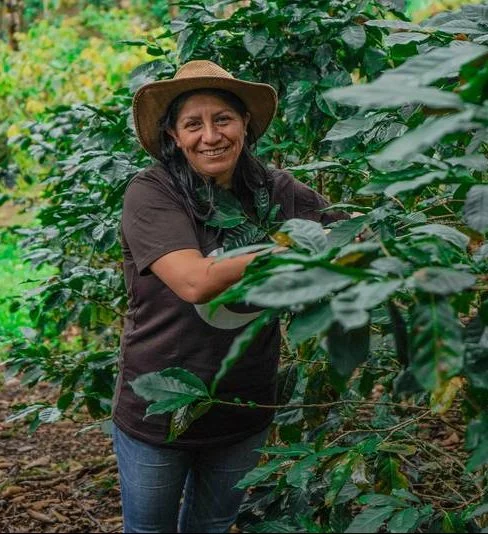
Amazonas has seven different provinces that produce green coffee beans in Peru, the altitude is 900-2100 m.
The profiles of the region have notes of dried fruits, caramels and candies, as well as a balanced body and acidity.
To the south of Pasco is Hunin, where caturra, catimor and typica are grown. This is coffee with profiles of dark and yellow fruits, intense acidity, creamy texture and a good balance. Fruit coffee with lots of chocolate and caramel notes.
Puno in the south-east of the country (altitude 900-1800 m). Caturra, typica and bourbon are the most common varieties grown here and are known for their quality.
In the south-east of the country is the region of Cusco – at an altitude of 900-2000 m above sea level. Farmers here usually grow caturra, bourbon and typica. Yields are low, but the climate and soil of this area allow you to produce high quality peruvian coffee with notes of red fruits and berries, plums, raisins and grapes.
Cutervo
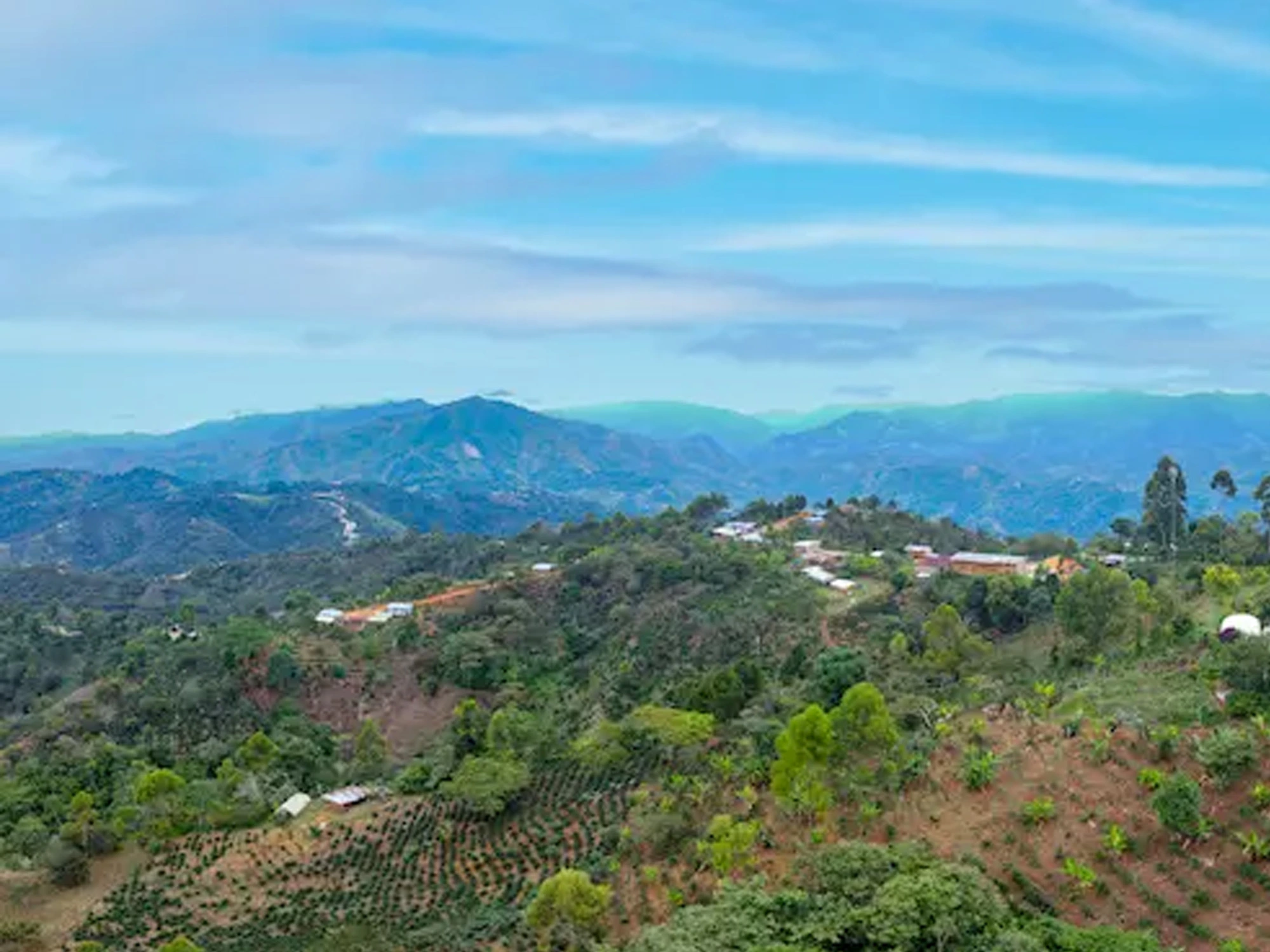
This subregion (at altitudes of 1,600–2,100 meters above sea level) has been actively increasing coffee production in response to growing demand. It is one of the highest areas in Cajamarca. The varieties cultivated here include Catimor, Pacas, Bourbon, Typica, and small quantities of Pacamara.
The coffee from this region is characterized by notes of vanilla, stone fruits, and molasses. It has a medium acidity and a well-balanced body.
Junín
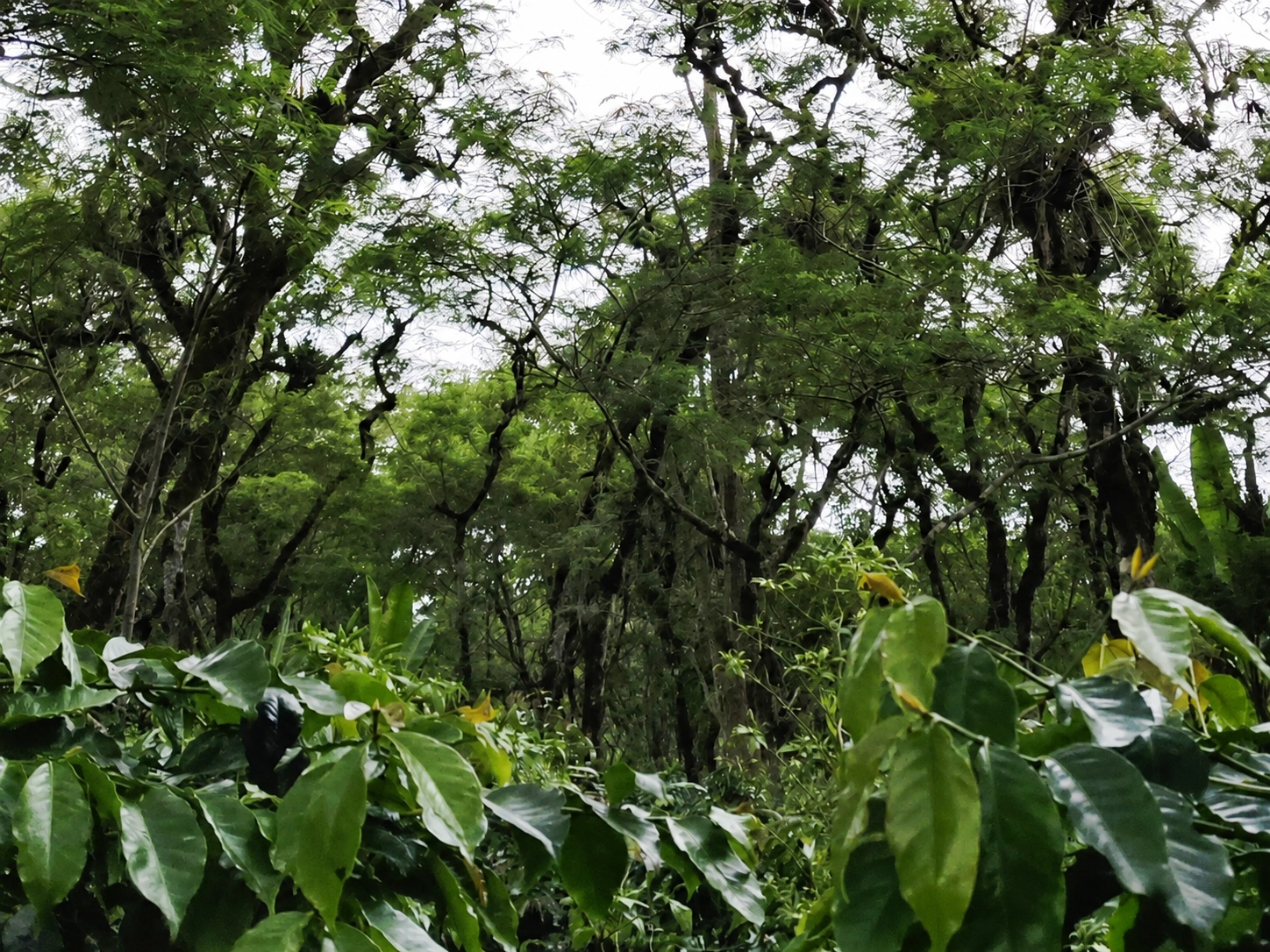
Located south of Pasco, this region specializes in Caturra, Catimor, and Typica. Coffee from Junín is typically fruit-forward, with bright acidity, a creamy body, and notes of stone fruits and caramel.
Puno
A high-altitude region in the south where Caturra, Typica, Bourbon, and Catimor are cultivated. Coffee from this area is known for its clean profile and a restrained yet well-defined acidity.
%20(1).webp)
Cusco
Located in the southeast of the country, with altitudes mainly ranging from 1,400 to 2,100 meters above sea level, Cusco produces small volumes of high-quality coffee with notes of red fruits, berries, plum, and grape, along with a pronounced sense of terroir.