Kenya Coffee Greens
Kenyan coffee is known for its bright, juicy acidity, dense body, and expressive aromatics. The main coffee-growing regions are concentrated in Central Kenya around Mount Kenya, as well as in the western part of the country near Mount Elgon on the border with Uganda. Historically, key varieties include SL-28 and SL-34, developed by Scott Laboratories, which remain benchmarks for specialty lots, although their share in total exports has decreased due to the spread of more disease-resistant varieties such as Ruiru 11 and Batian.
Kenyan coffee is traditionally graded by bean size: AA corresponds to screen size 17–18, while AB is around screen 16. However, bean size is not a direct indicator of cup quality.
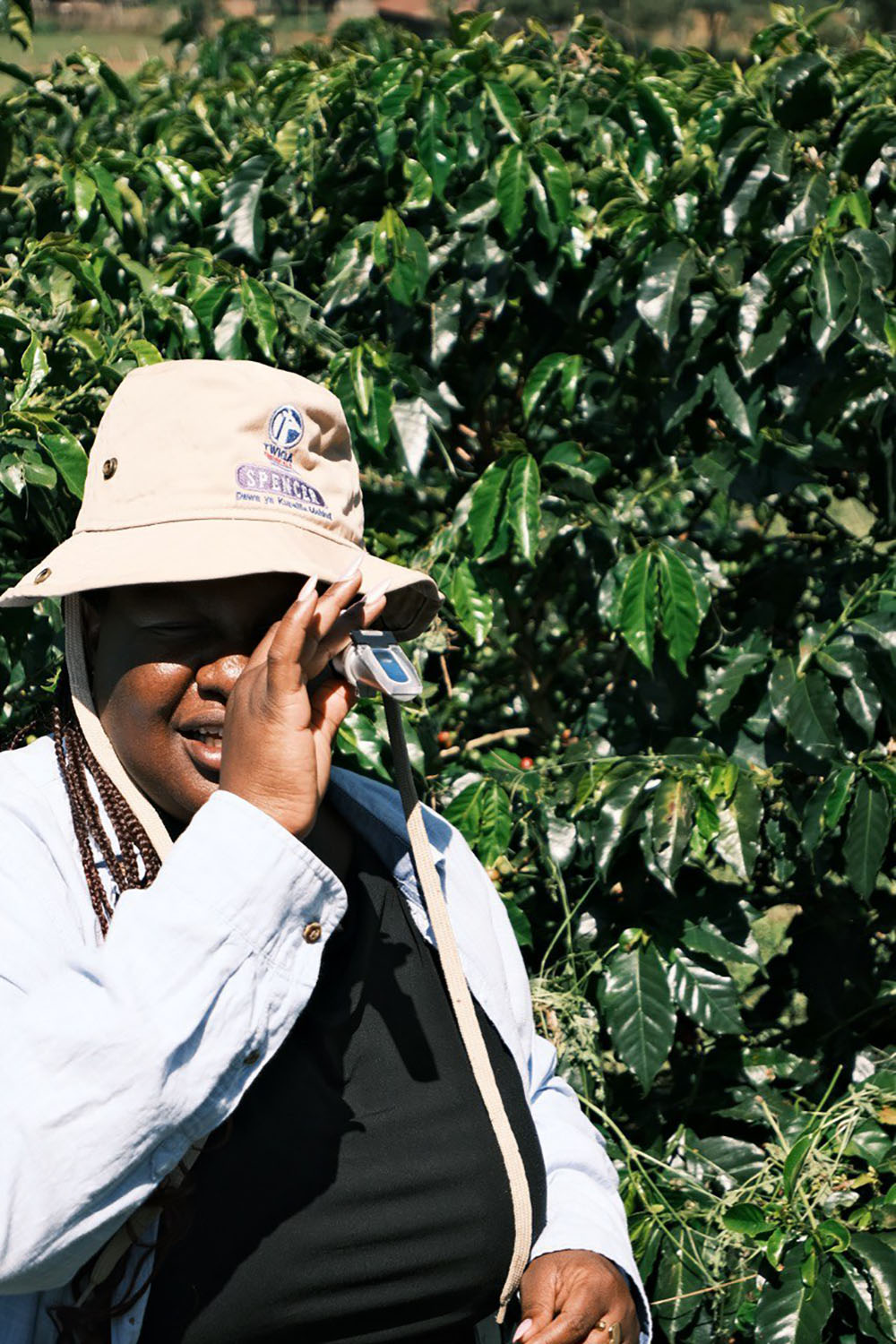
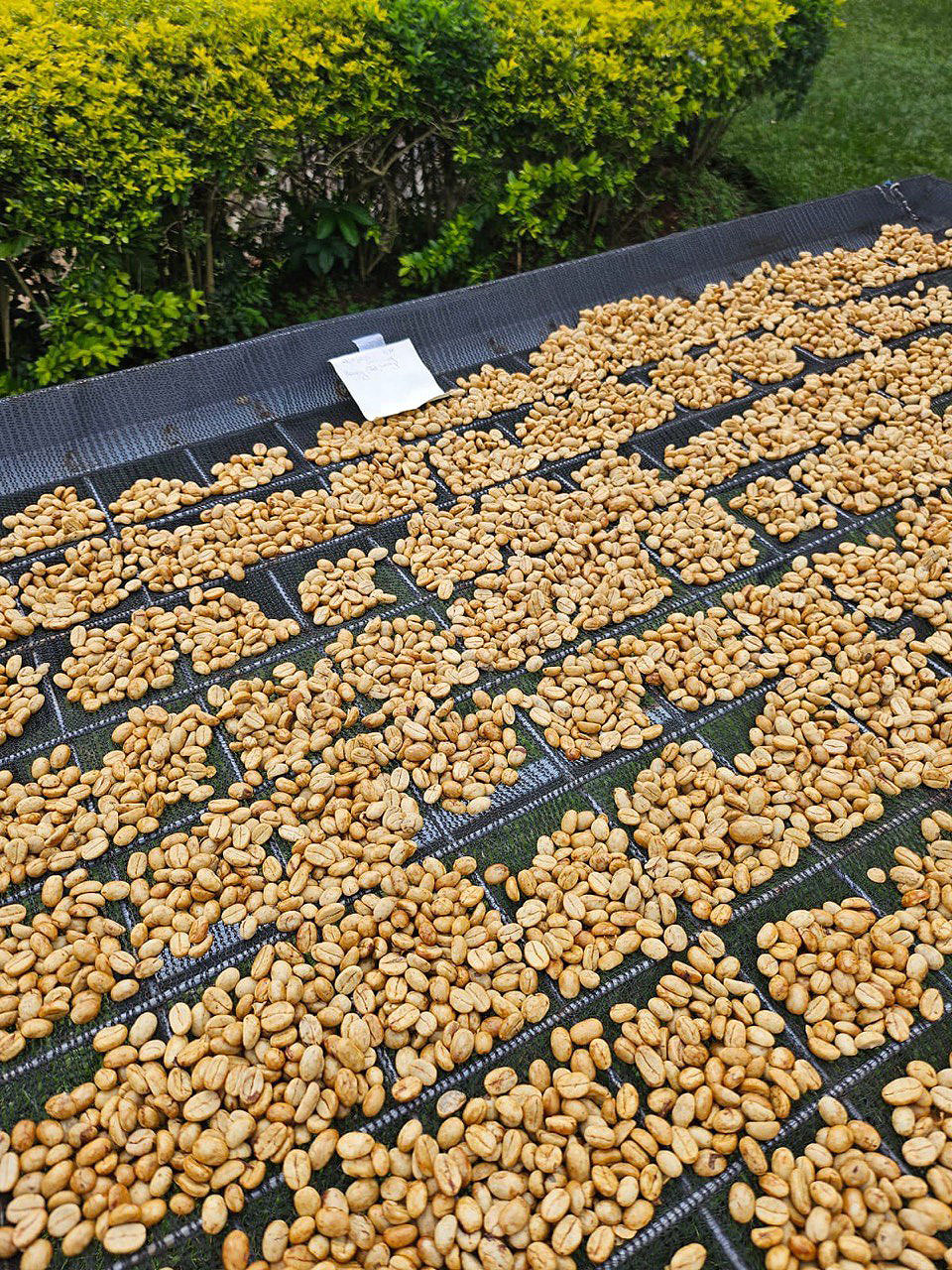
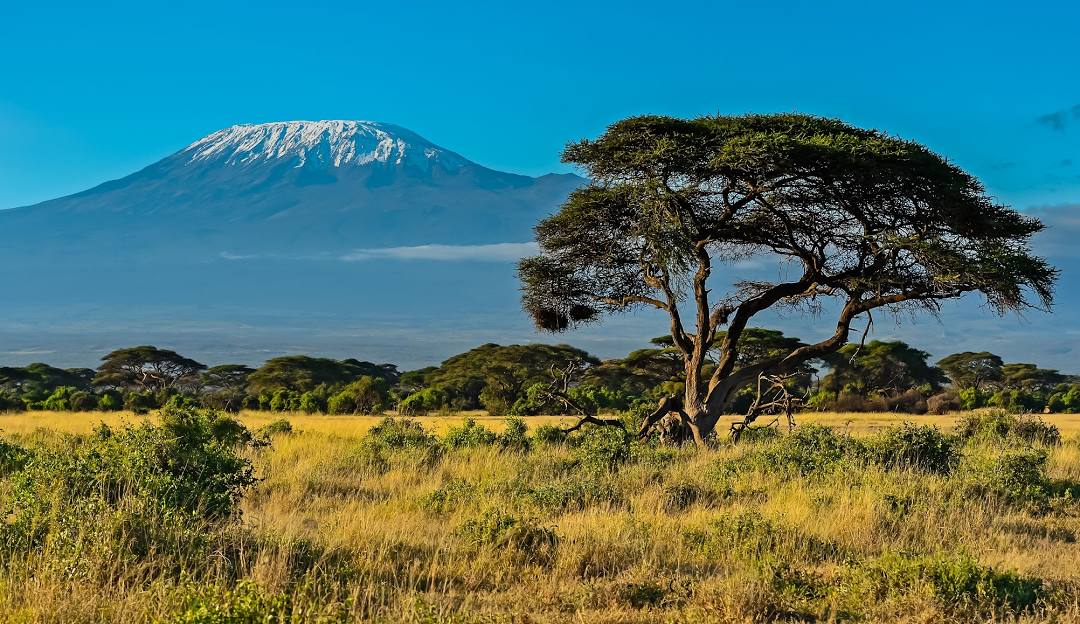
Assortment of the Green Coffee from Kenya
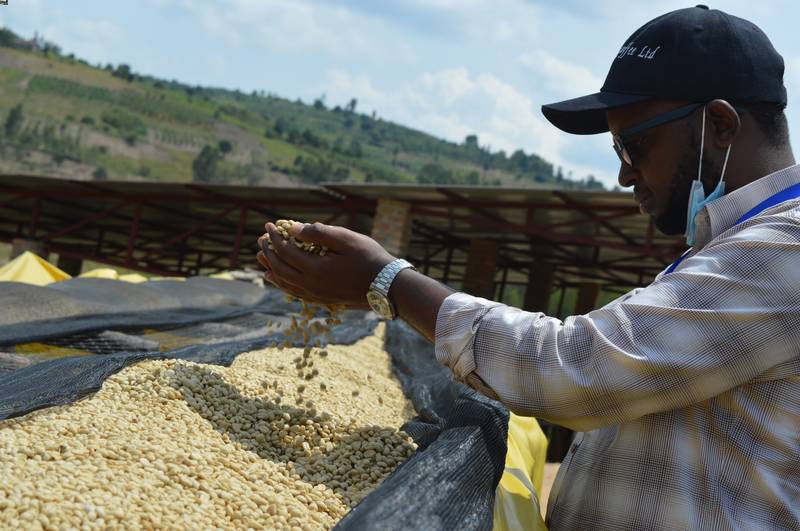
Central Kenya
Central Kenya consists of Kiambu, Nyeri, Kirinyaga, and Muranga, traditional coffee-growing areas in Kenya that produce 60% of the crop. In particular, Kiamba was once called 'Brazil' of Kenya due to its significant lands.
The region has rich agricultural lands, and farmers also grow tea and enjoy gardening. Kenyan green coffee from this region is traditionally grown on small and large farms on the hills of Mount Kenya and the Aberdare Ranges. There are fertile volcanic soils in this region, which are synonymous with a cup of good coffee.
Profile cups for Murang'a, Kiambu, and Thika have a rounded grapefruit-flavored acidity. In contrast, Kirinyaga and Nyeri's cups have a sharp citrus acidity and a full body with black currant and chocolate notes.
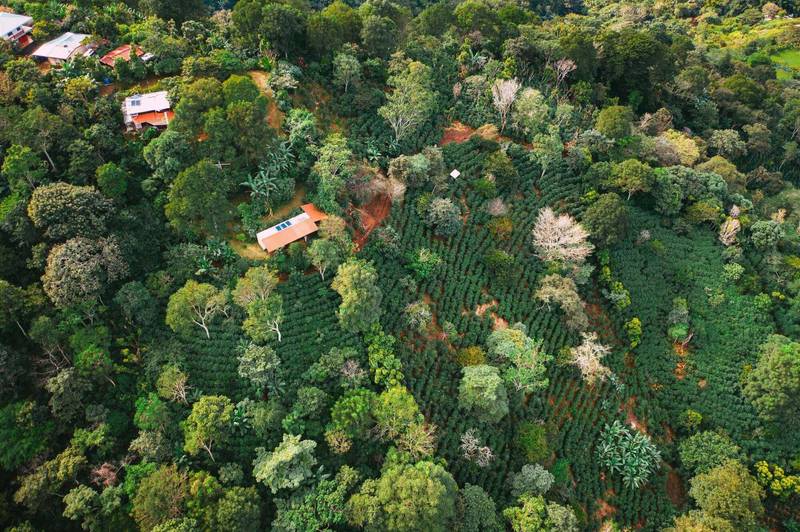
Eastern Kenya
Eastern Kenya includes Meru Central, Embu, Machakos, Taraka Niti and Makueni counties.
Machakos and Macueni counties are primarily arid and semi-arid. Kenyan coffee beans are grown on the hills of Iveta, Kangundo, and Mboona. These counties are located southeast of Nairobi and are the birthplace of the Akamba people (known for their talent in coffee processing). Machakos is the central city of Ucambani, founded in 1887, ten years before Nairobi, and was the first administrative center of the British colony.
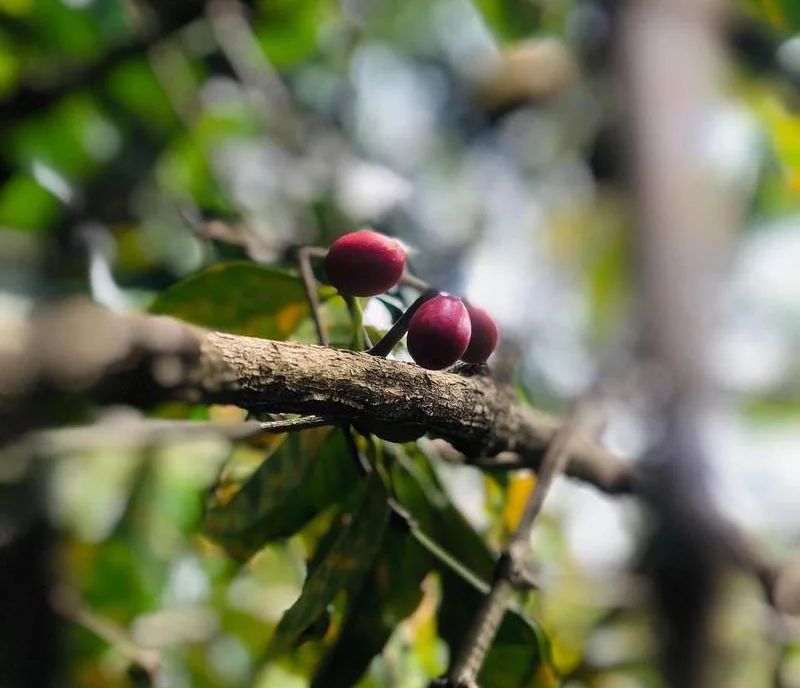
Great Rift Valley
Rift Valley is one of the world's wonders, stretching from the Middle East through Africa to Mozambique. Known for its stunning scenery: the earth suddenly disappears from view, showing a giant space of a large crack that stretches for thousands of miles in both directions.
Coffee greens in Kenya grow in the highlands west of the Rift Valley in Nakuru, Nandi, Kipkelion, Trans-Nzoia, and Baringo. Young volcanic soils in the Rift Valley are highly fertile. In many places, you can still see the lava not covered with vegetation. The temperature is moderate and does not exceed 28 °C.
This region's coffee has a medium acidity, a full body with fruity hints, and a rich chocolate flavor.
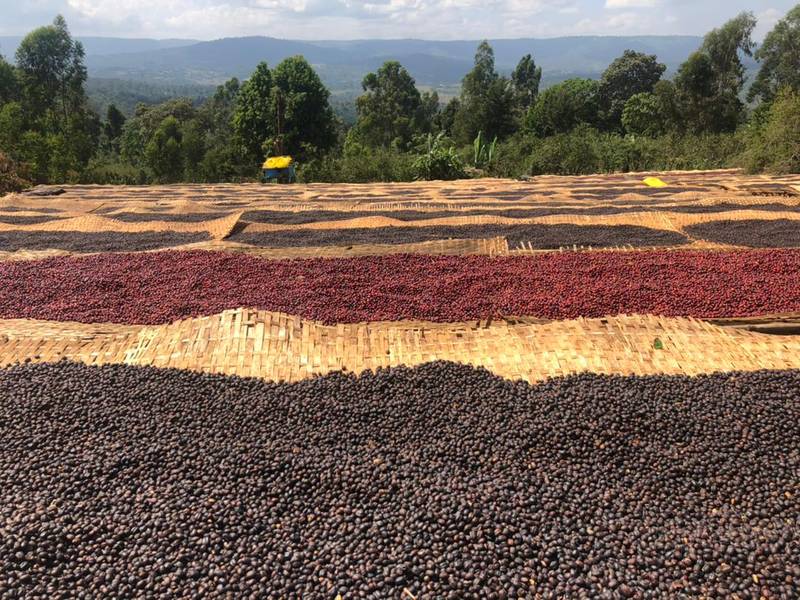
Western Kenya
It consists of the districts of Bungoma, Vyhyga, and Kakamega. Bungoma has very developed agriculture: most families rely on crop production and cattle breeding. The main crops are corn, beans, millet, sweet potatoes, bananas, Irish potatoes, and various vegetables. They also produce sugar cane, cotton, palm oil, coffee, sunflower, and tobaccoю. Kenyan coffee beans grow on the slopes of Mount Elgon. A cup has bright acidity and fruity hints typical of alpine coffee.
Vihiga County is one of Kenya's counties with favorable environmental conditions for growing coffee, thanks to acidic soils, sufficient sunlight, the right temperature, and rainfall.
Nyanza
A western coffee-growing region of Kenya, where production is concentrated in the counties of Kisii and Nyamira, with limited volumes in Migori. Farms here are very small—often 0.25–0.5 acres—which has led to a cooperative processing model.
Coffee from Nyanza typically shows medium to moderately bright acidity, a medium body, and a clean profile with notes of red fruits, apple, and citrus, with a soft sweetness in the aftertaste. Varieties grown in the region include SL-28 and SL-34, as well as modern cultivars such as Ruiru 11 and Batian. Historically, Typica is also found here, known locally as French Mission.
The “SL” designation comes from Scott Agricultural Laboratories, which in the 1930s selected and classified Kenyan coffee varieties based on their agronomic potential and cup quality.