Honduras Coffee Greens
Until the 2000s, nearly all of Honduras’s coffee production was oriented toward the commodity market, and the country was primarily seen as an exporter of low-priced coffee. Despite favorable growing conditions, fertile soils, sufficient elevation (many farms are located above 1,000 meters), and an excellent microclimate, the lack of processing infrastructure and quality control led to a poor reputation among demanding buyers.
In 1998, the situation worsened when Hurricane Mitch destroyed 80% of the country’s agriculture. As a result, despite ongoing efforts, many farmers preferred to smuggle their coffee into Guatemala to secure higher prices.
An export tax on coffee, introduced in the late 1990s and early 2000s, along with major investments in training for coffee farmers and quality evaluators, began to shift the industry. As of 2025, IHCAFE remains the main regulatory body, and the tax is no longer a significant barrier for farmers. The focus has shifted toward stimulating quality, stabilizing prices, and supporting cooperatives.
Today, Honduras holds a strong position on coffee shop menus around the world and presents unique 90+ lots at the Cup of Excellence. More than 100,000 families across Honduras are involved in coffee production. Of these, 95% are smallholder farmers, and 70% operate farms smaller than 2 hectares (accounting for about 30% of the country’s total production).
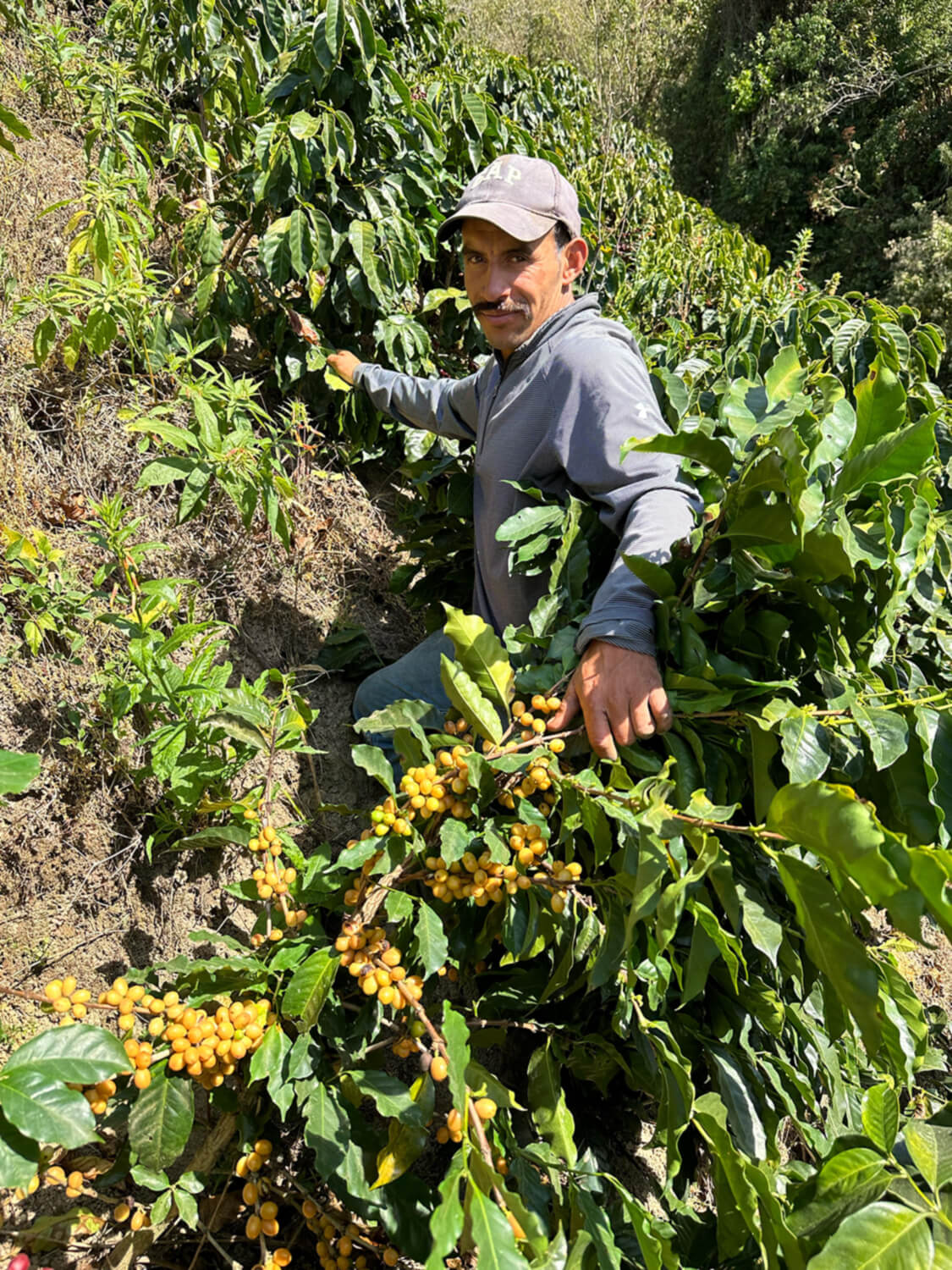
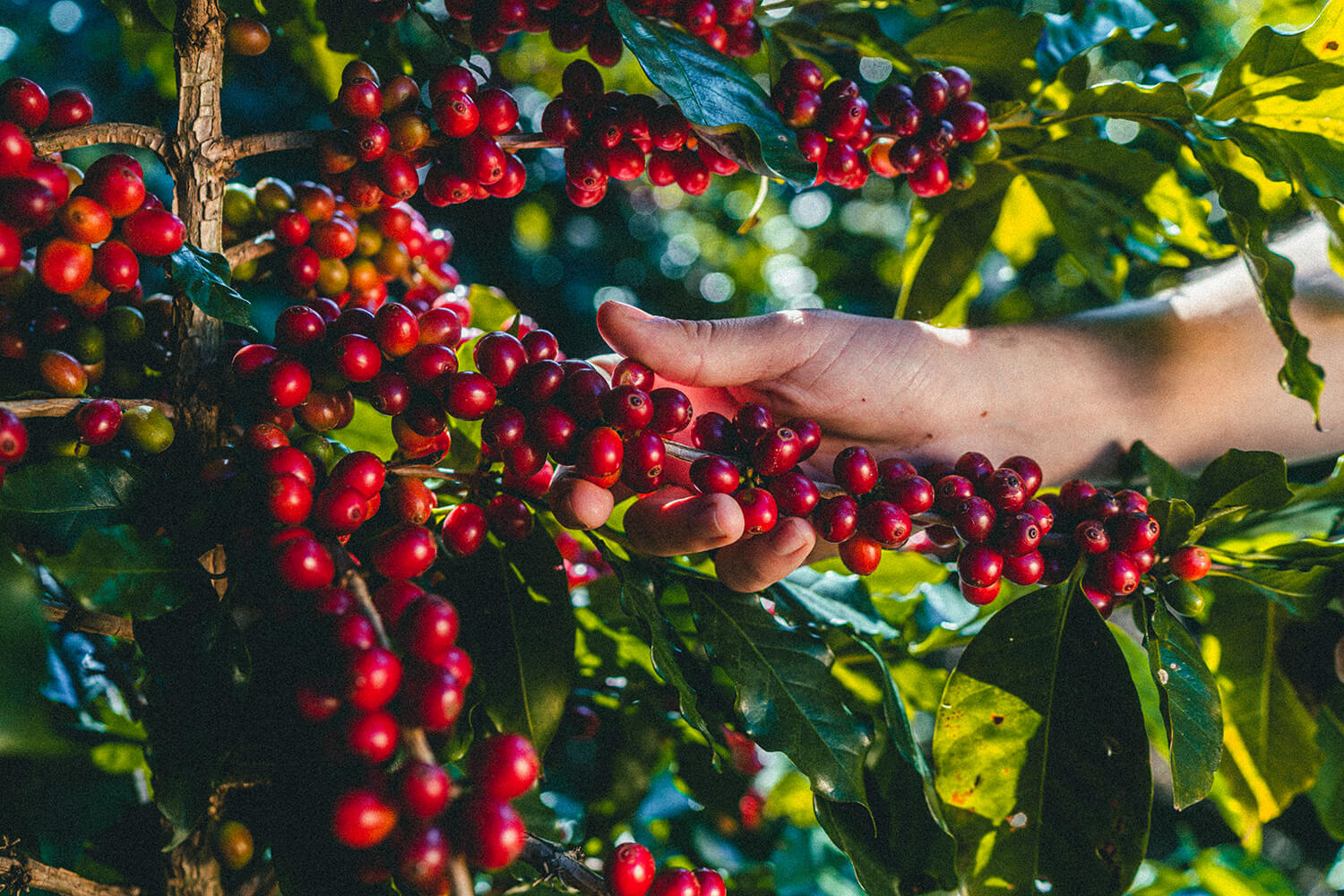
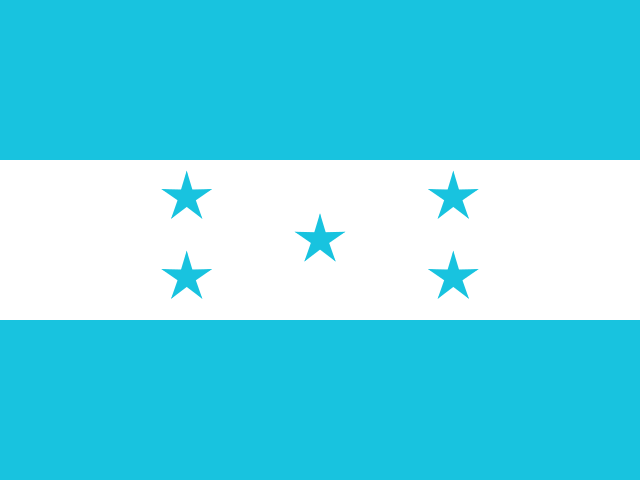
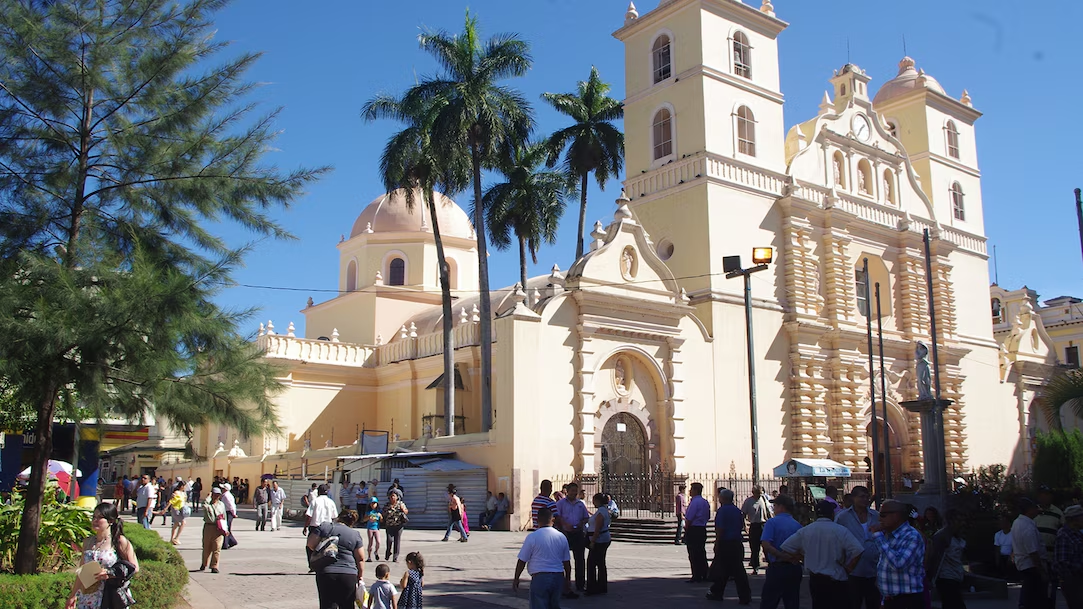
Assortment of green coffee from Honduras
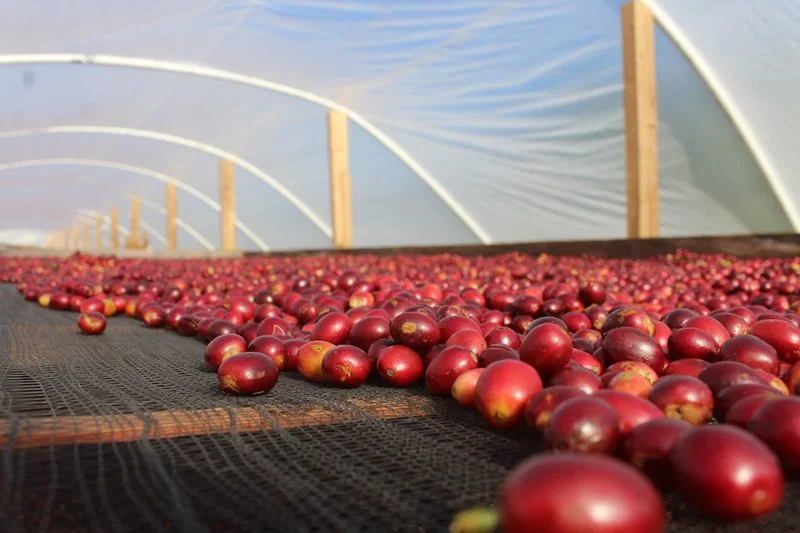
Copan
Copan is located in western Honduras, on the border with Guatemala, and includes several subregions. It is situated 1000-1500 meters above sea level and has one of the broadest humidity and temperature ranges.
Here, you can find aromatic coffee beans from Honduras with solid tropical fruits, chocolate, caramel, and citrus notes. The body of the drink is usually dense and creamy, and the aftertaste is long and balanced. At the last Cup of Excellence competition, Copan grain impressed the judges with its complexity, juicy and sweet taste, and fruity aromas: they noticed notes of candy, peach, mango, flowers, jasmine, apricot, lime, honey, black currant, orange, coffee, raspberries, white grapes, red grapes, and mint.
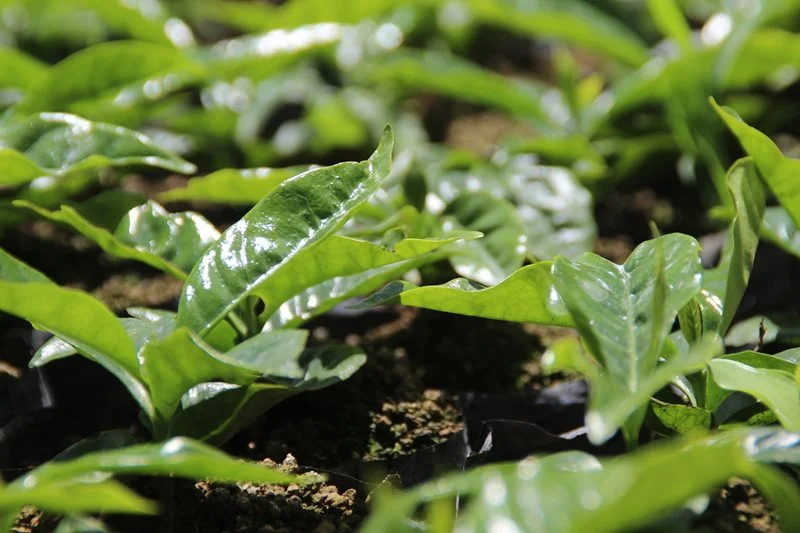
Montecillo
The region is located on the southern border of Honduras and El Salvador. Farmers in Montecillo grow a unique coffee with sweet fruity aromas of orange and peach combined with solid acidity and have a soft body. Montecillo is the highest mountain region for coffee beans production in Honduras (average altitude 1200-1600 meters above sea level). Montecillo's coffee reflects the highest quality and taste of the drink on the world market.
Café Marcala - a local brand - was the first registered coffee brand in Honduras and Central America, guaranteeing a bright aroma and taste in your cup.
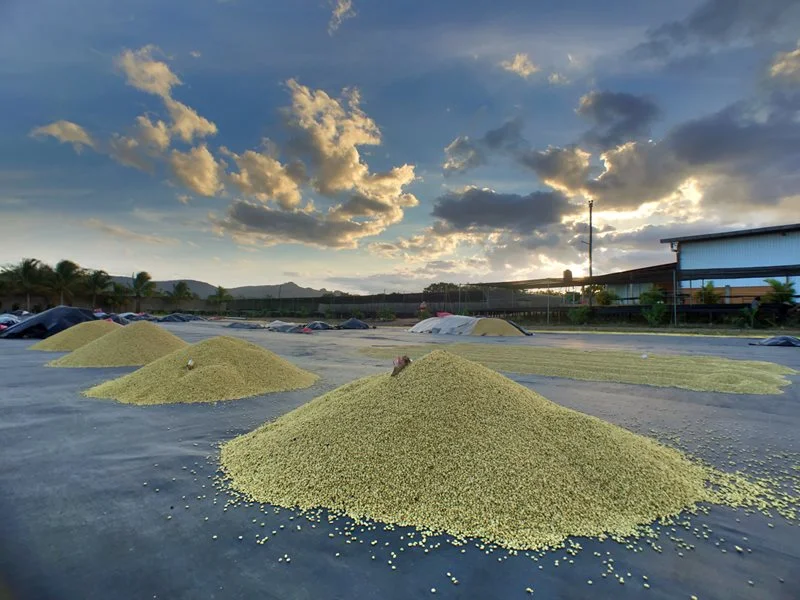
Agalta
The region is located inland, in a more tropical climate at elevations of 1,100–1,400 meters above sea level. Coffee from Agalta features a range of tropical fruit notes, along with caramel and chocolate aromas. It is an ideal profile for classic espresso.
Honduran coffee stands out for the high-quality work of "manos hondureñas", enabling the country to be a leader in the industry thanks to the efforts of hundreds of thousands of farmers who work hard every day to produce coffee of the highest quality.
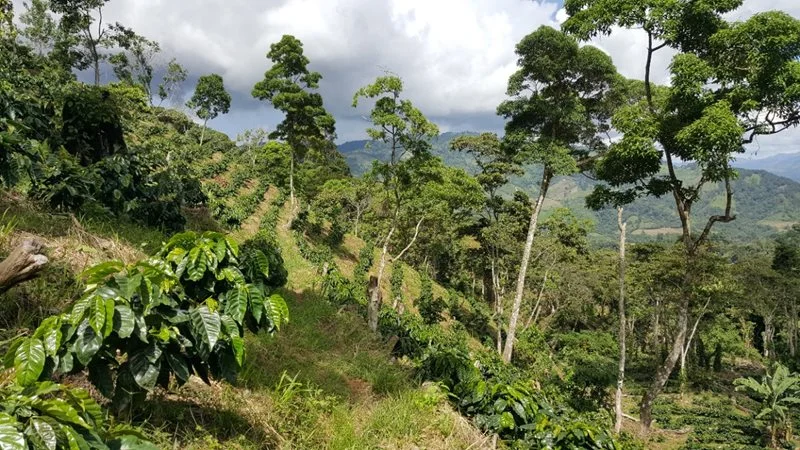
El Paraiso
El Paraíso is located on the border with Nicaragua. It is one of the regions with the lowest coffee production, situated at elevations of 1,100–1,400 meters above sea level. The cup profile is defined by citrus (lemon-like) aromatics, sweet fruity notes, a мягке body, balanced acidity, and a lingering aftertaste. El Paraíso is now often associated with experimental anaerobic processes, as several farms here were among the first in Honduras to pioneer complex fermentation methods.
Opalaca
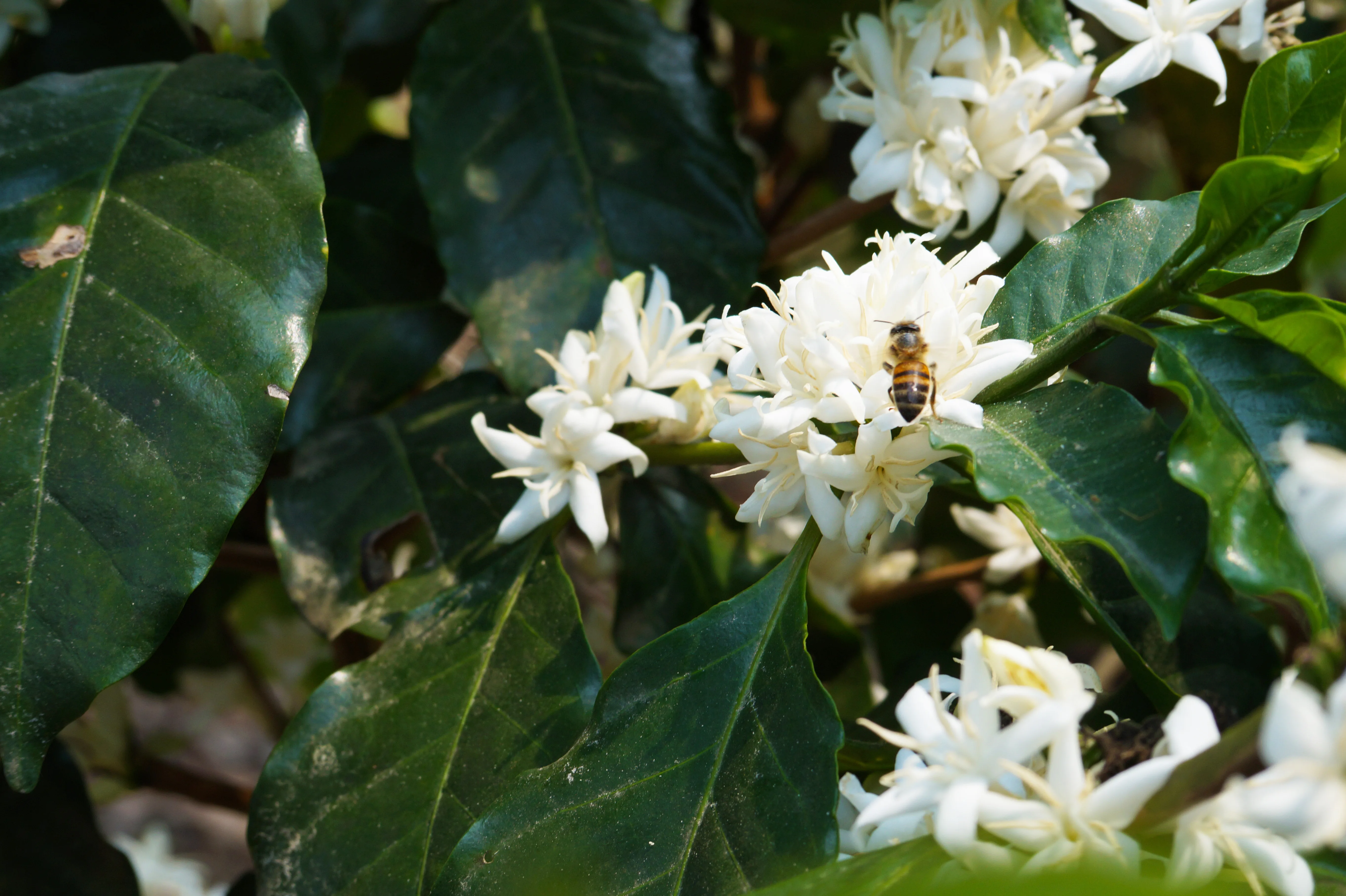
The region stretches east of Copán at elevations of 1,100–1,600 meters above sea level, lying between Lempira and Intibucá—two relatively isolated areas. It is one of the regions in Honduras where specialty coffee developed later than in Copán or Marcala, but its quality is now growing at a remarkable pace.
Coffee from this region typically shows slightly elevated acidity and pronounced aromatics of tropical fruit, grape, and berries. Daytime temperatures can reach +26 to +28°C, while at night they drop to around +12°C. This temperature variation slows cherry maturation, leading to higher sugar concentration and, as a result, more expressive acidity and fruit-forward profiles.
Comayagua
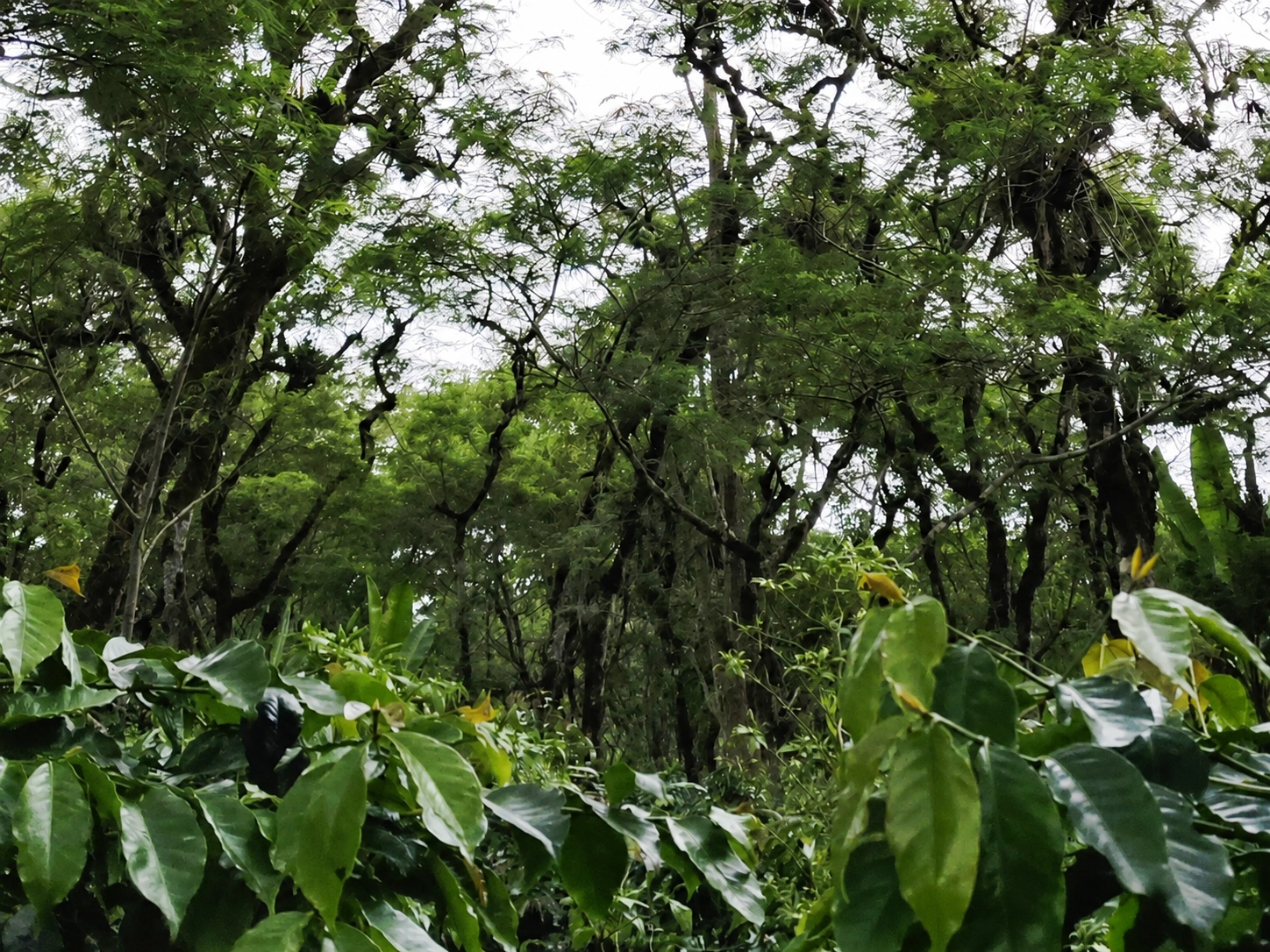
One of the most dynamic regions in terms of processing development, Comayagua is located in a large intermountain valley. This makes the climate less extreme, yet much more stable for cultivation. Morning fog is common in the valley, reducing the risk of cherry over-drying, lowering the need for artificial shade, and contributing to a creamy, smooth body in the cup.
In the cup, Comayagua typically offers sweet citrus notes paired with bright lactic acidity, giving it a creamy texture. This is relatively rare for Honduras, where most regions tend to express more fruit-forward or wine-like profiles.