Guatemala Coffee Greens
Coffee cultivation in Guatemala began around 1770. Since then, it has had a significant impact on the economy and ranks as the country’s second-largest agricultural export.
The mountainous terrain, location between two oceans, and volcanic soils create optimal conditions for coffee cultivation. Elevations ranging from 1,200 to over 2,000 meters above sea level, along with 99% shade-grown production, form an ideal recipe for exceptional coffee.
In addition, Guatemala is home to more than 300 unique microclimates. Not only each region, but even individual farms produce coffee with distinct characteristics, resulting in a remarkable diversity of flavors in the cup.
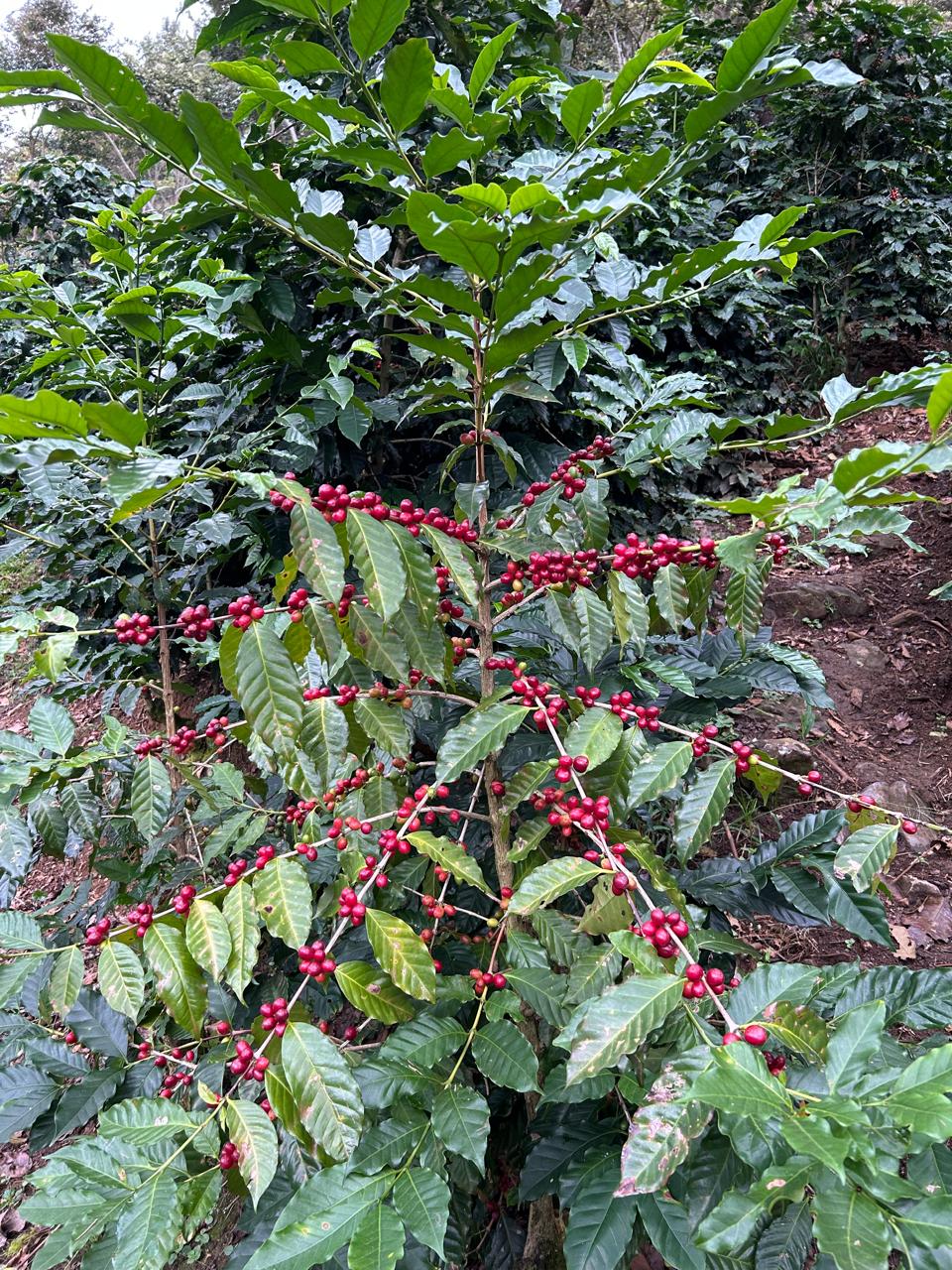
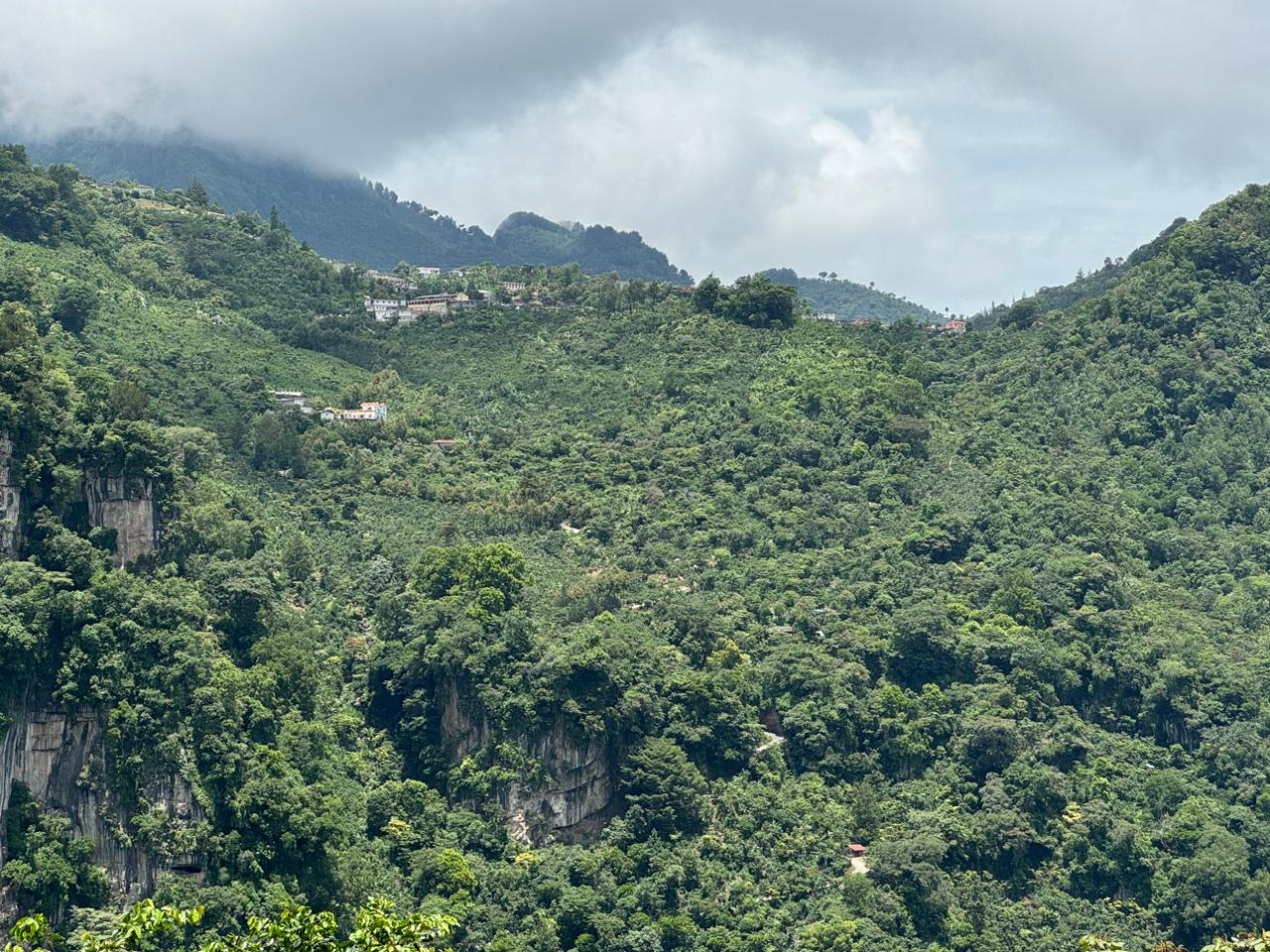
Assortment of the Green Coffee from Guatemala
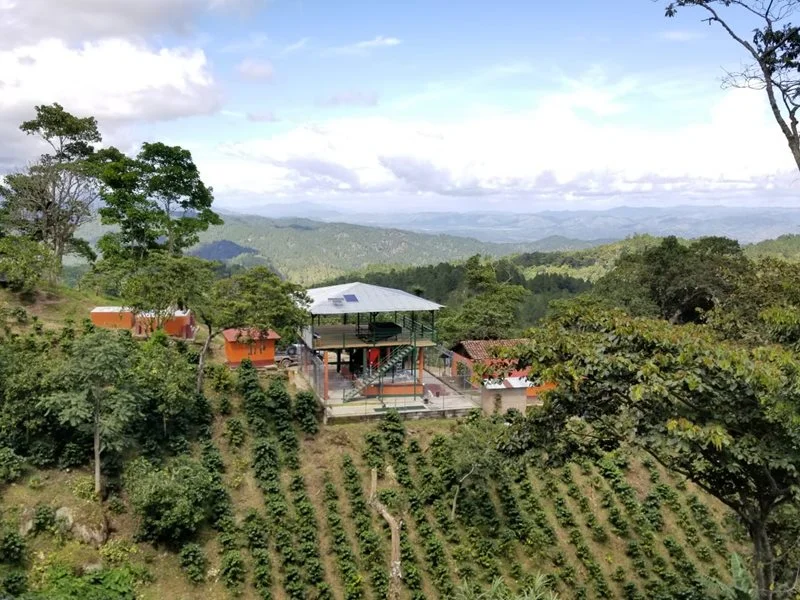
Huehuetenango
Guatemala coffee from this region is characterized by intense acidity, full-body, wine, and grape notes. Of the three non-volcanic areas, Huehuetenango is the highest and driest region. Thanks to dry and hot winds coming from the Mexican plain of Tehuantepec, the part is protected from frost, allowing it to grow Highland Uwe at an altitude of up to 2000 meters.
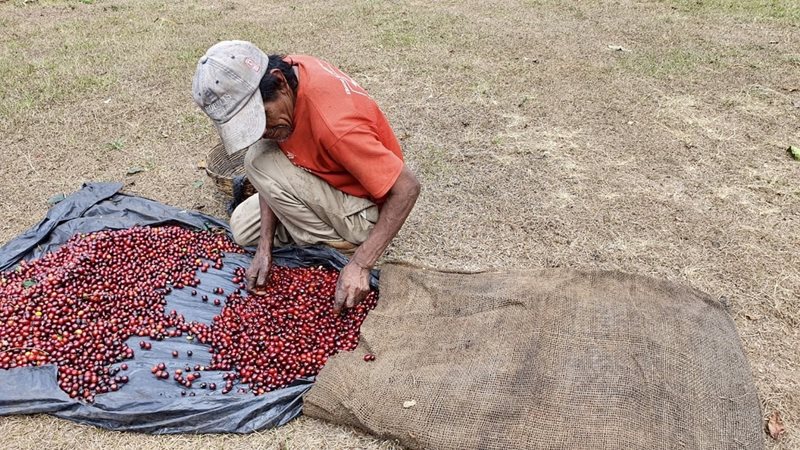
Antigua
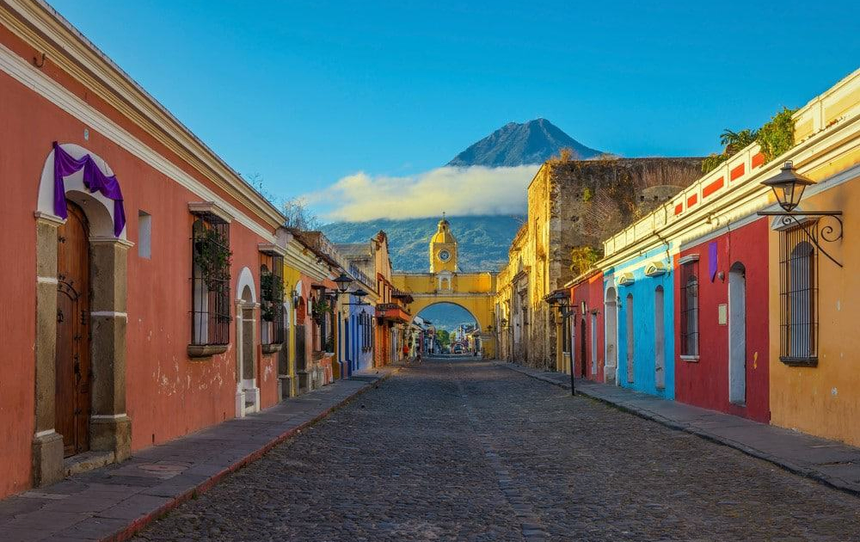
The most famous and popular region, coffee is mainly with high sweetness, rich aroma, and elegant character. Fertile volcanic soil, low humidity, plenty of sunlight, and cool nights make this region ideal for growing the most unusual varieties of green coffee beans from Guatemala. The valley around the city of Antigua (from which the region got its name) is surrounded by three volcanoes: Agua, Fuego, and Acatenango. From time to time, Fuego adds fresh dust and mineral-rich ash to the soil of Antigua. Volcanic pumice retains moisture in the soil, which helps compensate for low rainfall.
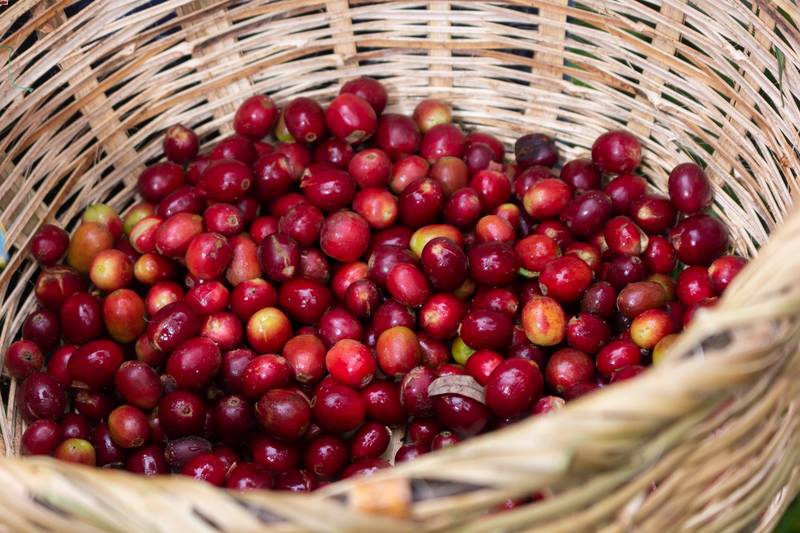
Acatenango
Guatemala green coffee from this region is characterized by pronounced acidity, a balanced body, clean and stable aftertaste. Just a few steps from the volcanoes of Fuego and Akatenango, west of Antigua, is the Akatenango Valley, where coffee grows in the dense shade on steep slopes up to 2,000 meters. Frequent eruptions near the Fuego volcano support coarse sandy soils full of minerals. The shadow of many trees regulates temperature and creates a habitat for a variety of flora and fauna.
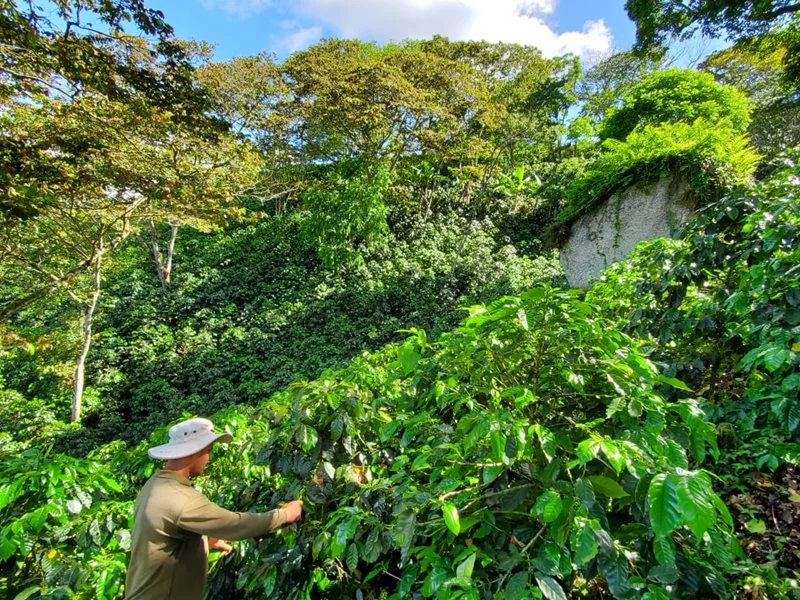
San Marcos
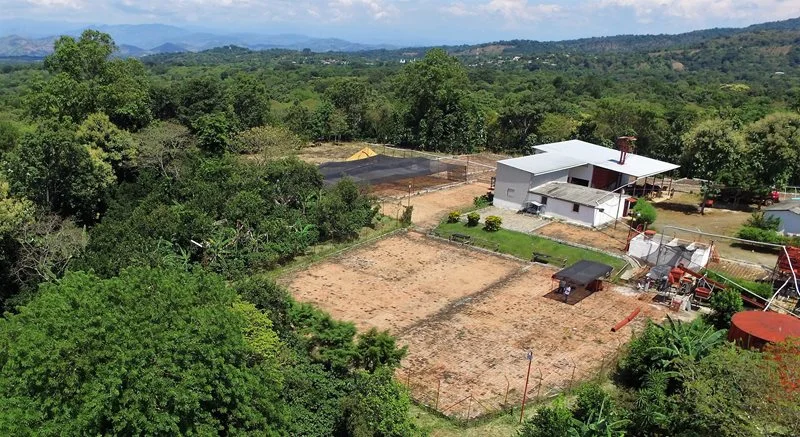
Coffee from this region is characterized by delicate floral aromas and balanced acidity. The warmest of Guatemala’s eight coffee-growing regions, San Marcos also receives the highest rainfall, reaching up to 5,000 mm. The rainy season starts earlier than in other regions, triggering early flowering. As in many remote regions of Guatemala, much of the coffee in San Marcos is grown on farms with their own washing stations. Due to the unpredictability of the harvest season, a large portion of the coffee is dried in mechanical dryers — guardiolas.
Atitlan
Coffee in this region has a balanced body and pronounced citrus acidity. Of Guatemala's five volcanic coffee regions, Atitlan's soils are the richest organically. 90% of coffee from Atitlan is grown on volcanic slopes. Daily winds (Xocomil) mix the cold waters of the lake and affect the microclimate. The highly developed traditions of crafts of this culture are reflected in the skillful cultivation and processing of coffee by even the smallest producers.
Coban
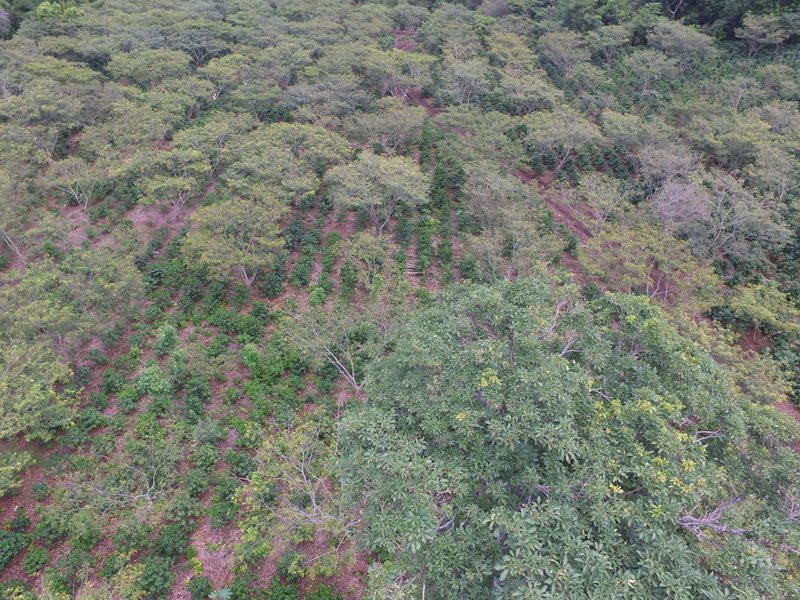
Coffee from this region is characterized by notes of ripe fruit and a smooth body. Annual rainfall in Cobán is around 3,500 mm, with rain occurring nine to ten months a year. Constant precipitation (mostly light drizzle or mist — chipichipi) leads to uneven flowering, with 8–9 flowering cycles per year. Due to the extended flowering season, coffee cherries ripen unevenly, requiring up to 10 picking rounds (with intervals of up to 14 days) to ensure only the ripest cherries are harvested.The cool, rainy climate makes drying coffee in Cobán challenging, so traditional mechanical drying is widely used. Cobán is home to some of Guatemala’s most innovative and dedicated coffee producers. They have made significant progress experimenting with drying in difficult conditions and produce the best coffee possible for the region.
Fraijanes
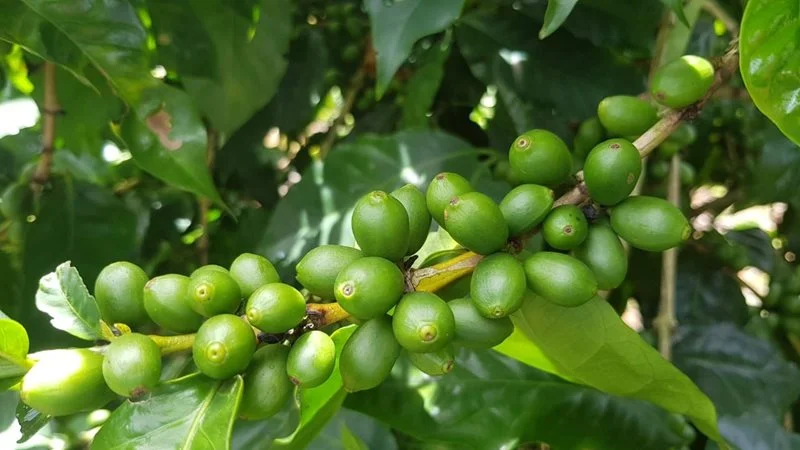
This is one of the least explored regions, where coffee is known for its freshness, vibrant acidity, and rounded body. The region is defined by volcanic pumice soils, high elevations, abundant rainfall, fluctuating humidity, and an active volcano. Pacaya, the most active of Guatemala’s three active volcanoes, periodically covers the area with a light layer of ash that acts as a natural mineral fertilizer. The dry season brings plenty of sunshine, and despite clouds, fog, and heavy morning dew, all coffee in the region is dried exclusively under direct sunlight.
Orient
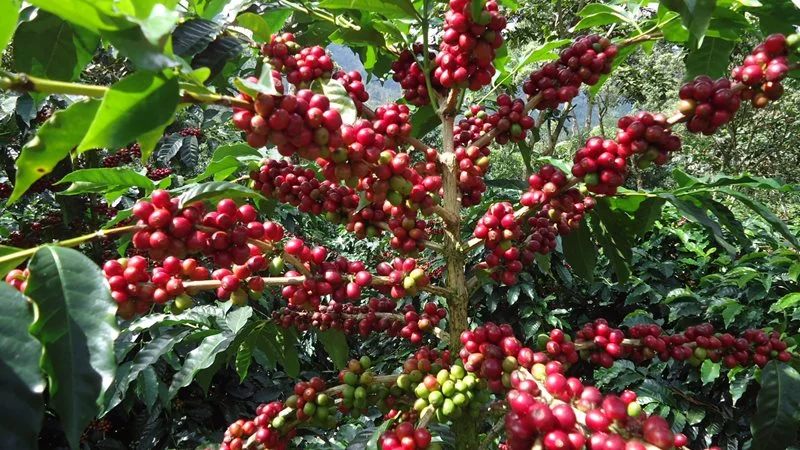
Coffee from this region is known for its well-balanced profile and rich chocolate notes. Since the 1950s, coffee has been grown almost exclusively by smallholders. Today, nearly every farm in the mountains has become a coffee farm, and what was once one of Guatemala’s poorest and most isolated regions is now thriving and developing.
The rainy and often cloud-covered region of Oriente lies on a former volcanic ridge. Its soil is composed of metamorphic rock, offering a balanced mineral composition that differs significantly from the soils found in volcanically active regions.