Ethiopia Coffee Greens
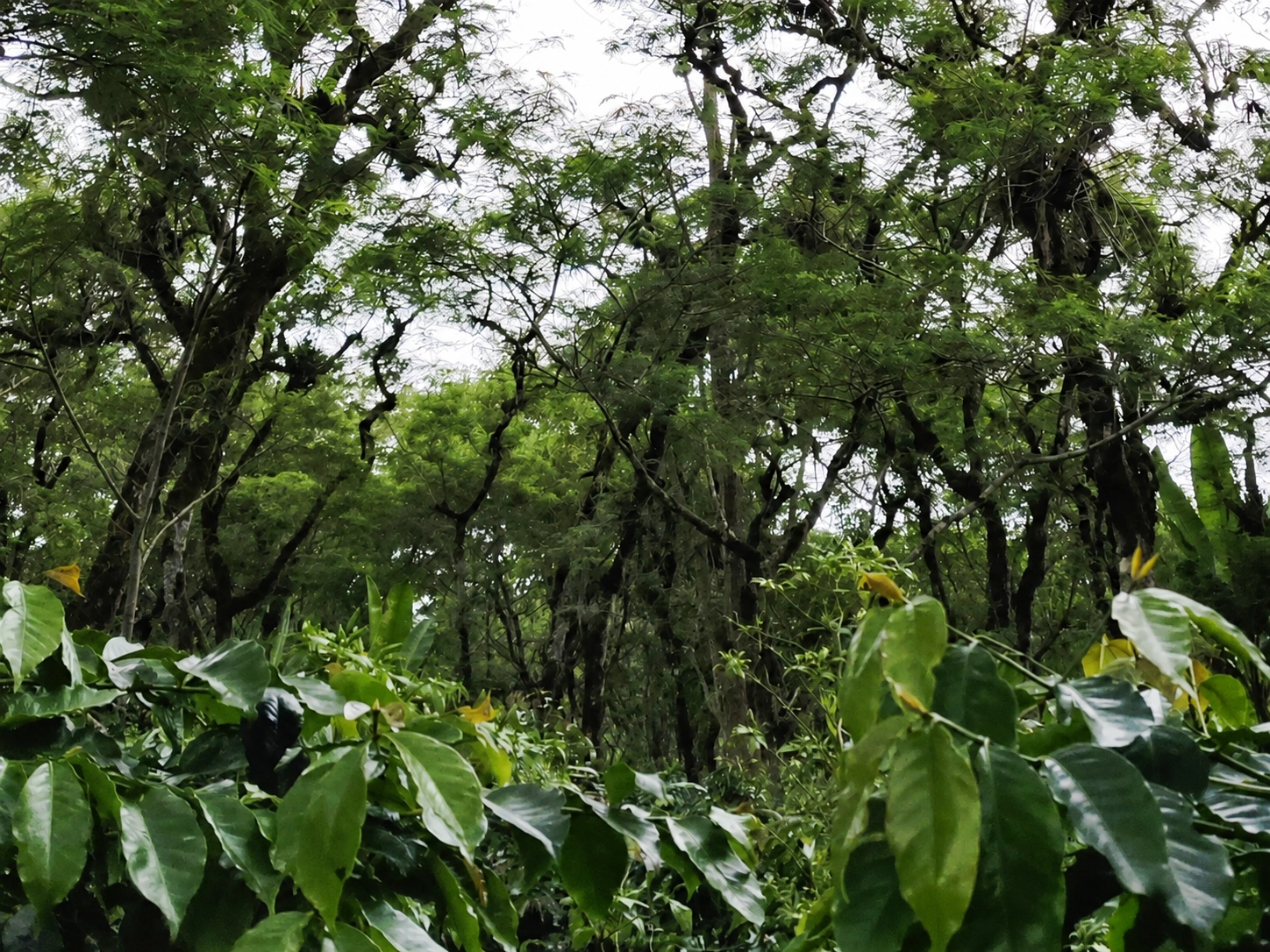
Most coffee in Ethiopia is still grown and harvested by hand within forest, semi-forest, and garden production systems. A significant share of production takes place outside of traditional plantations, making Ethiopia’s model one of the most traditional and decentralized in the coffee world.
At the same time, the share of organized farms and plantations is gradually increasing, especially in key specialty regions. It is this combination of wild genetics, traditional practices, and modern approaches to quality that shapes the unique character of Ethiopian coffee.
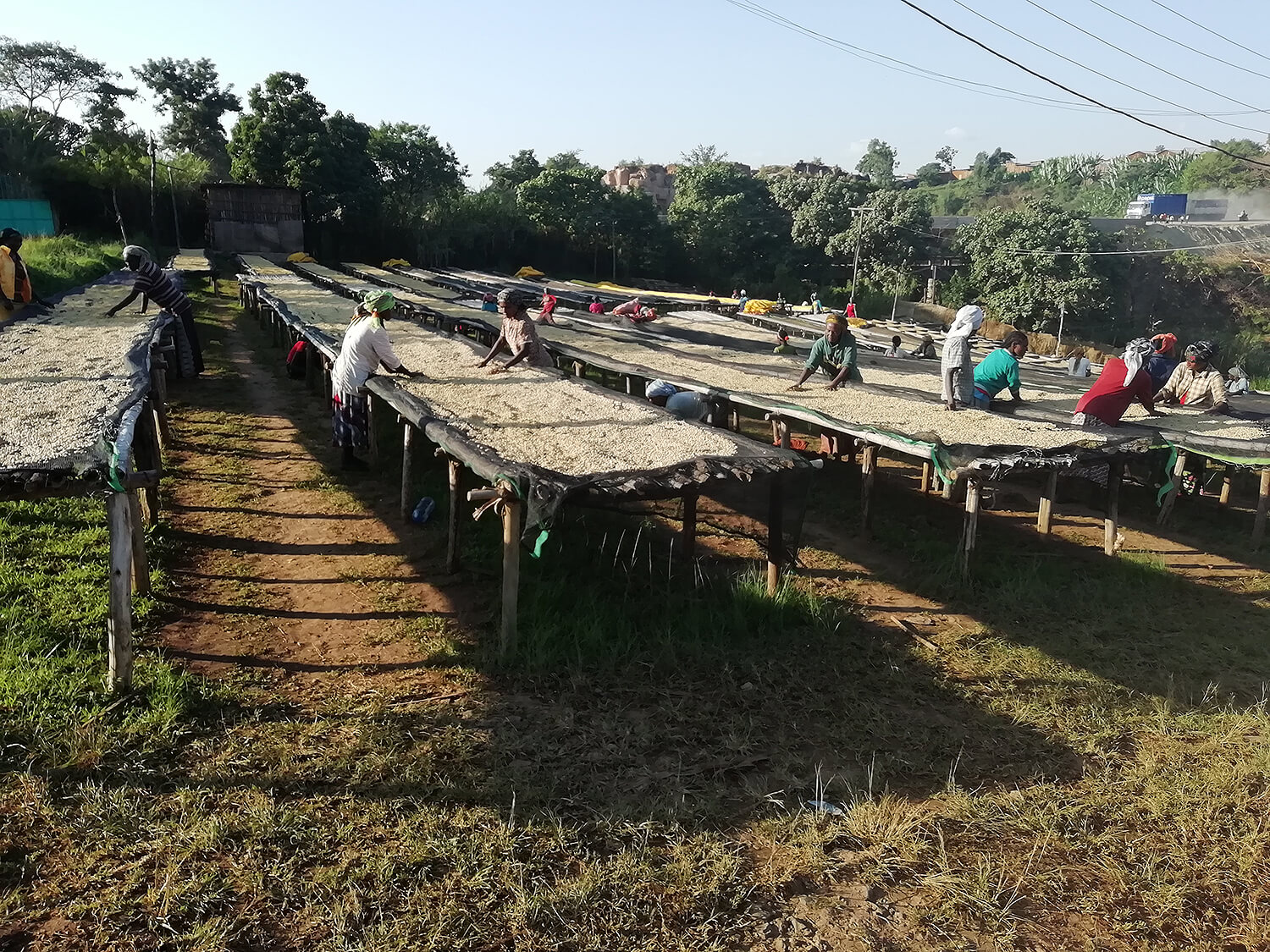
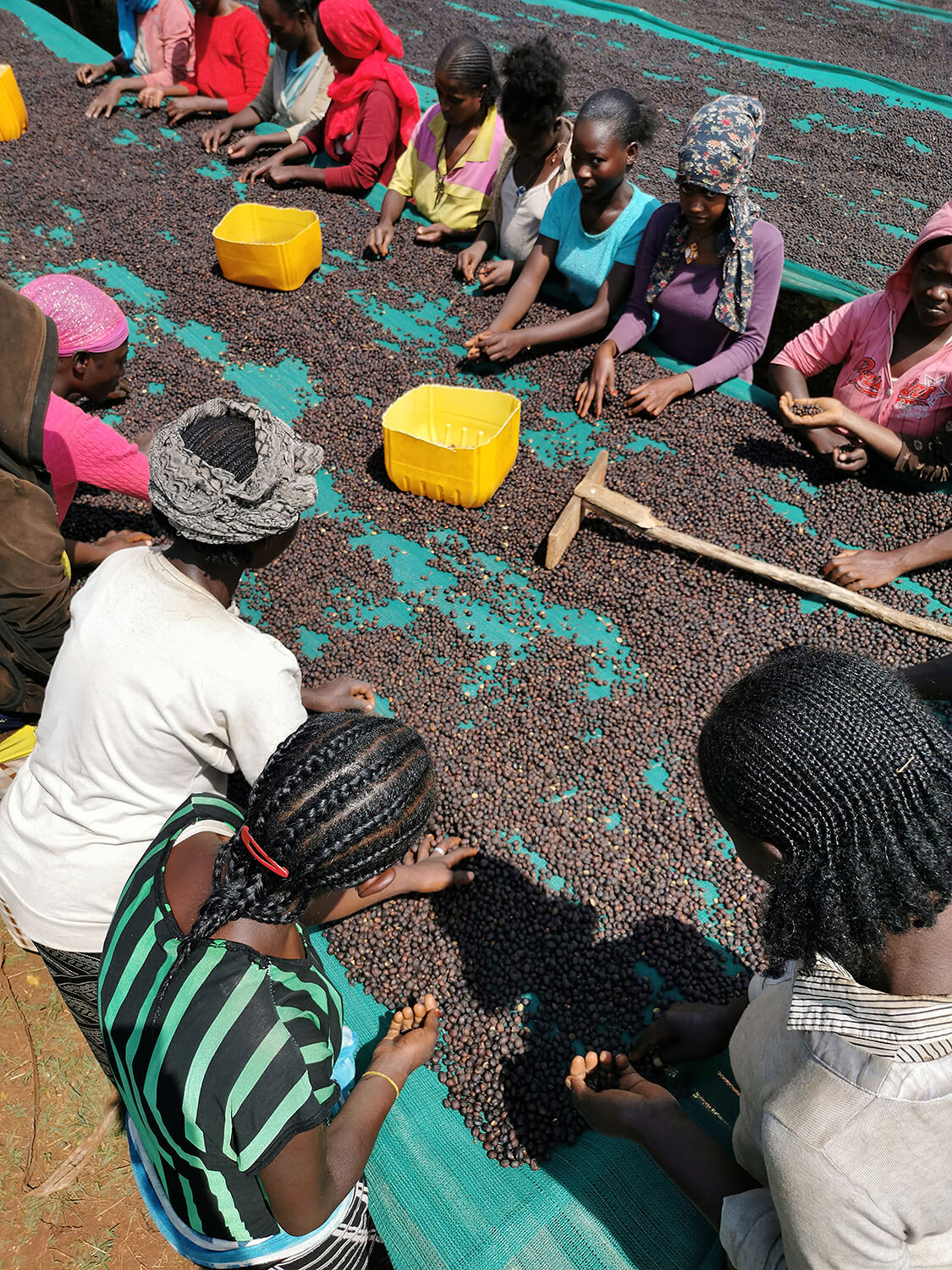
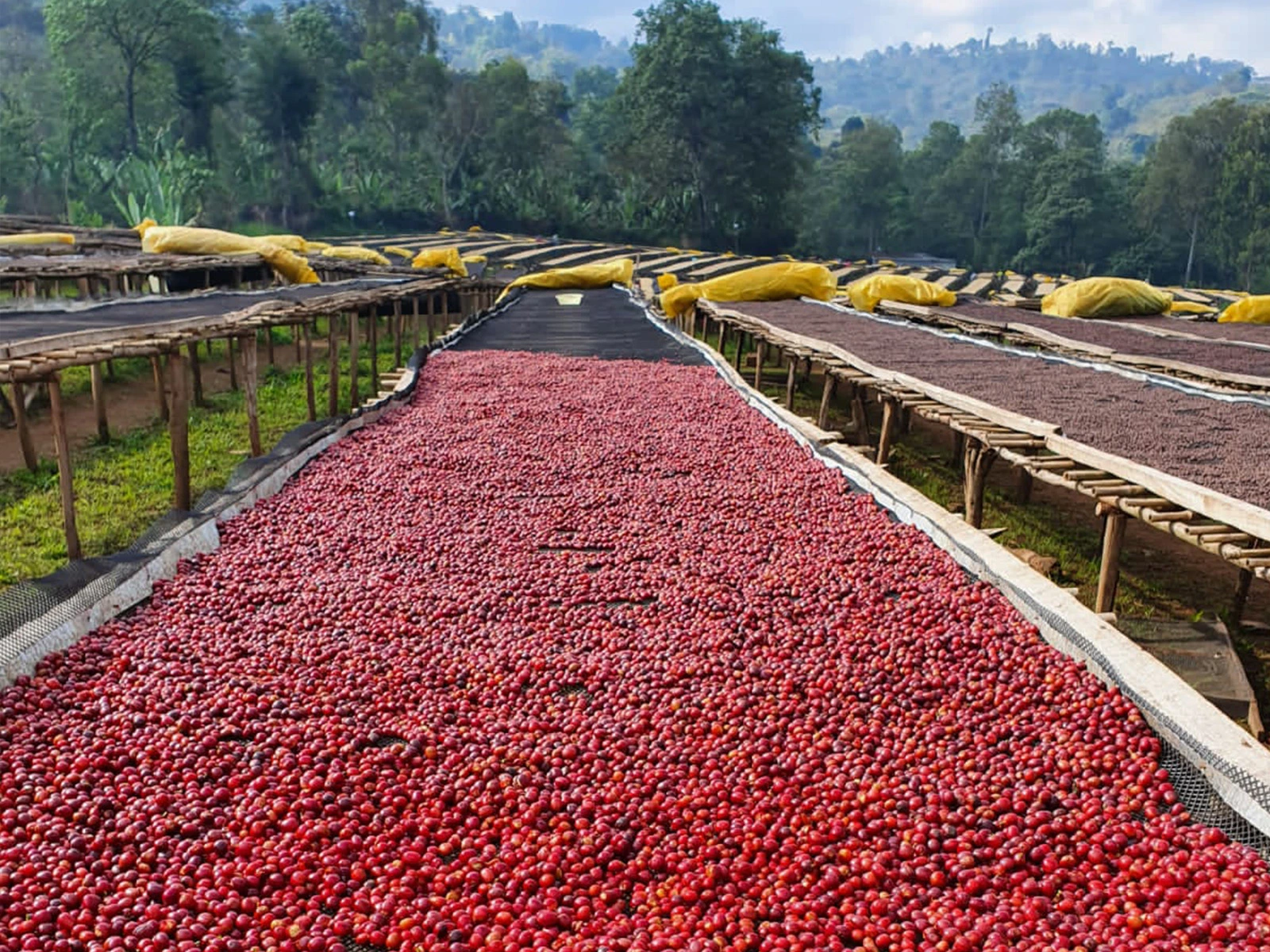
Assortment of the Green Coffee from Ethiopia
Sidamo
One of the largest coffee-growing regions in Ethiopia, covering dozens of woredas with diverse microclimates and elevations typically ranging from 1,550 to 2,200 meters above sea level. As a result, coffee labeled as Sidamo can display a wide spectrum of flavor profiles.
Yirgacheffe
Historically part of Sidamo, Yirgacheffe is recognized as a distinct microregion and a registered trademark. Washed processing dominates here, although natural lots are also common. Coffee from Yirgacheffe is known for its bright citrus acidity, notes of black tea, jasmine, and pronounced floral aromatics.
Harrar
A historic coffee-growing region in eastern Ethiopia, where coffee is predominantly cultivated by smallholder farmers in the Eastern Oromia zone and processed using the natural method. The profile is typically rich, with pronounced berry fruitiness and a dry finish.
Limu
Located in the southwest of the country, washed coffee from this region is characterized by a balanced profile, medium to low acidity, and distinctive spicy and sweet notes.
Jimma
One of the largest coffee-producing regions in Ethiopia by volume, where alongside commercial coffee, forest and semi-forest lots are cultivated at elevations ranging from 1,400 to 2,100 meters above sea level.