Colombia Coffee Greens
The second-largest producer of arabica in the world after Brazil. The mountainous terrain of the Andes and a tropical climate create ideal conditions for growing coffee with a ярко вираженим terroir character.
Coffee plays a key role in the country’s economy: around 850,000–900,000 hectares are planted with coffee trees across hundreds of municipalities and major coffee regions. The active development of coffee production began in the 19th century, and by the second half of that century, coffee had become the leading export crop.
Most Colombian coffee is produced on small farms, with more than half of farmers cultivating less than one hectare. Drying is typically carried out directly on the farms — under the sun, on rooftops, as well as in plastic tunnels and parabolic dryers — allowing for better control over quality. Coffee is grown along the three branches of the Andes, creating exceptional terroir diversity and enabling multiple harvests throughout the year.
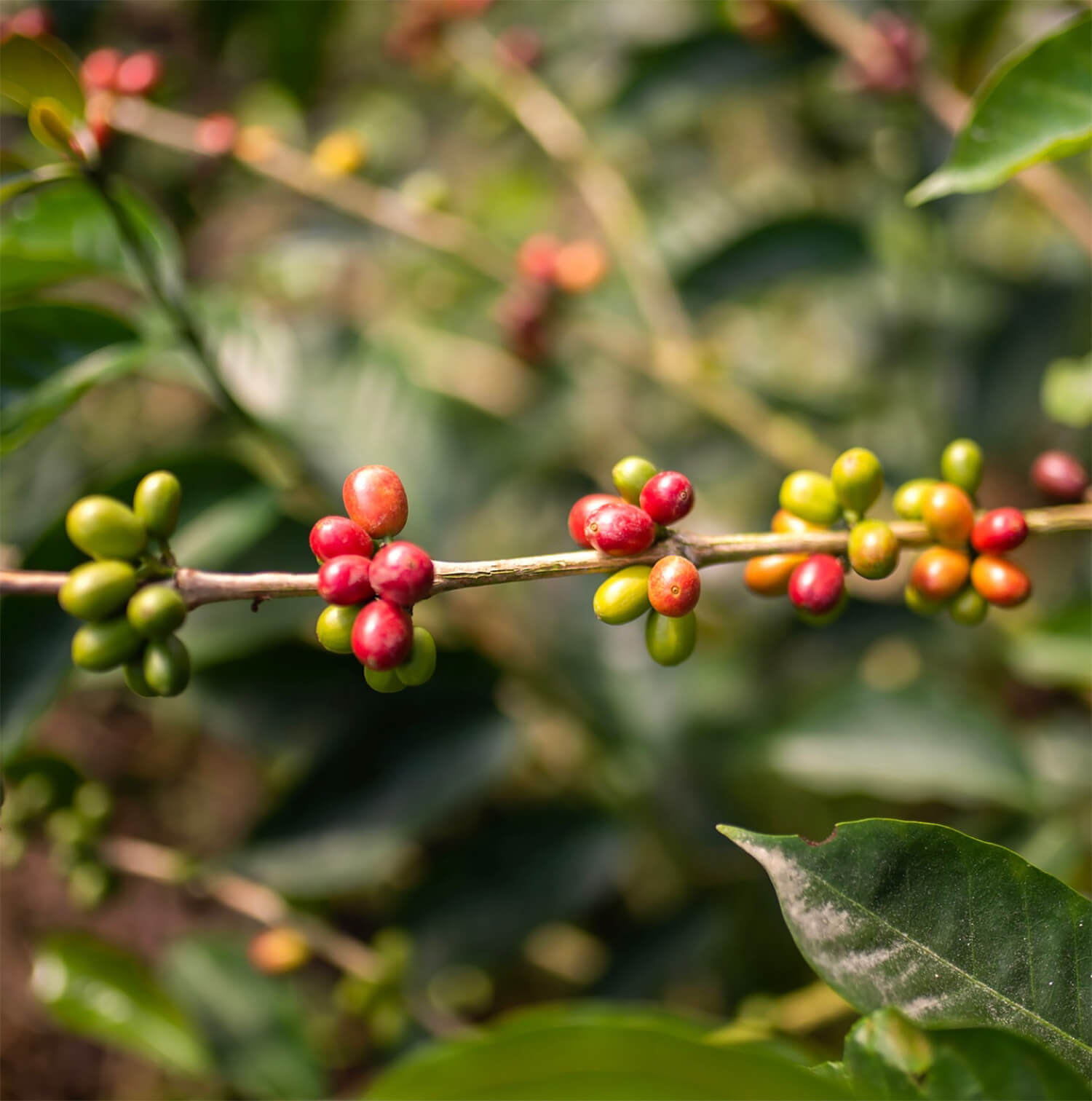
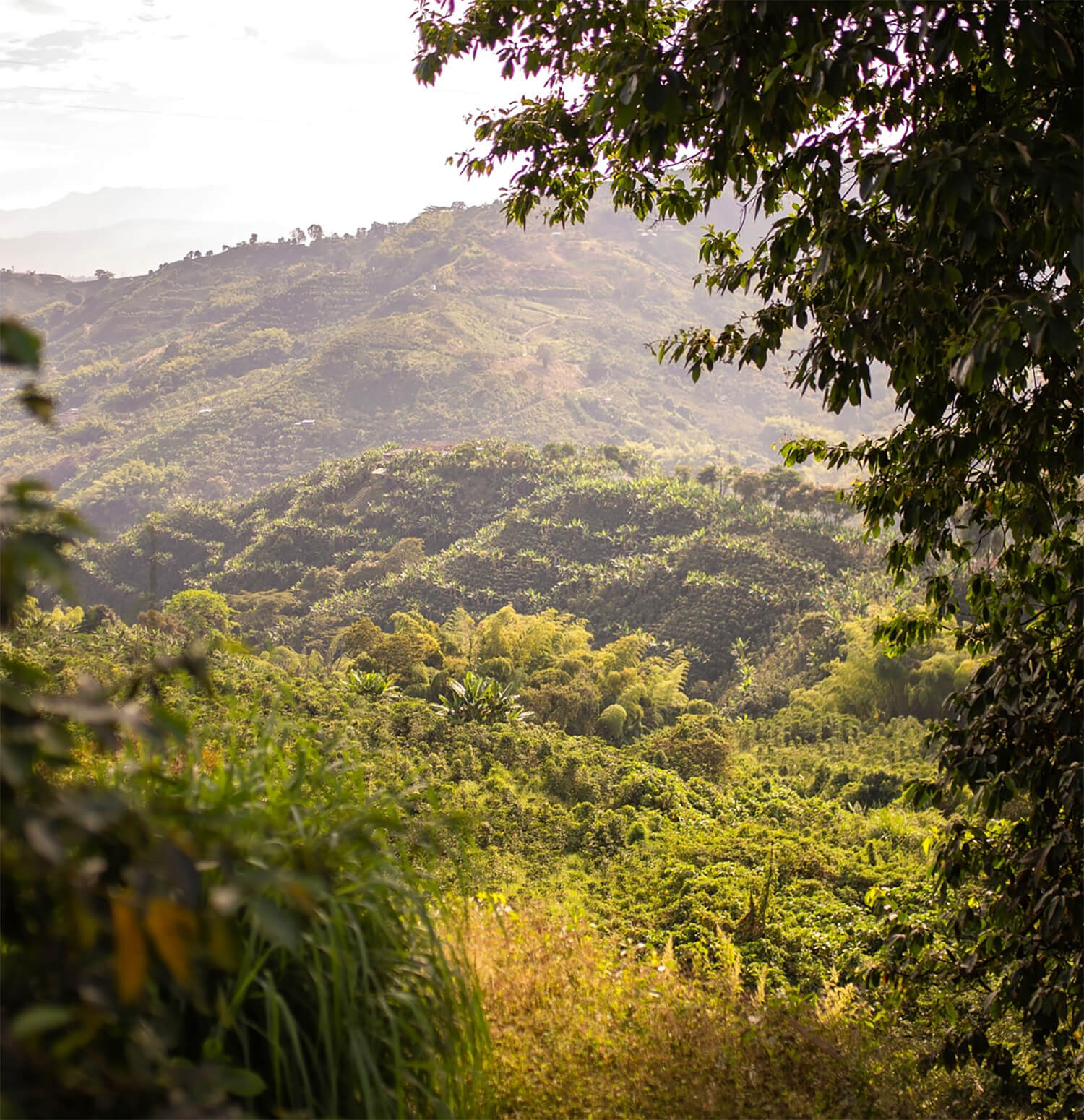

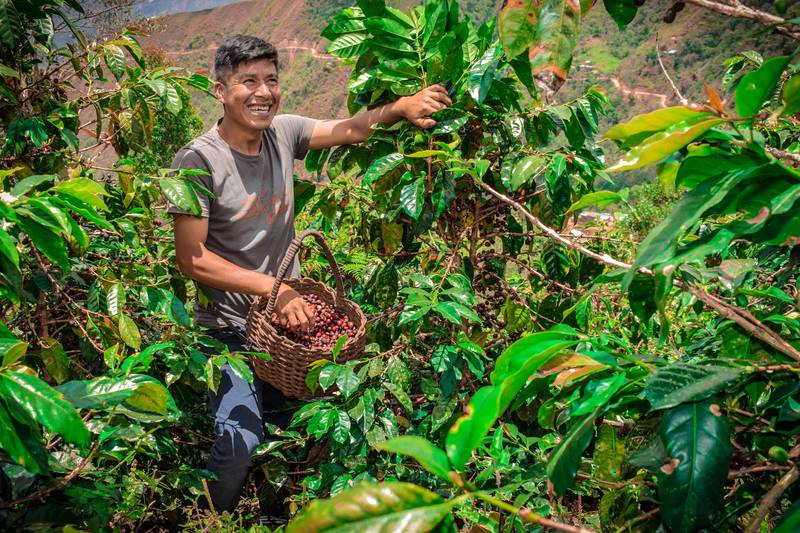
Assortment of the Green Coffee from Colombia
.webp)
Huila
One of Colombia’s strongest specialty regions. Elevations range from 1,400 to 2,000 meters above sea level. The climate is stable, with two harvest seasons. Main varieties include Caturra, Castillo, Bourbon, and Typica.
Processing methods: washed (dominant), honey, and experimental.
Huila consistently ranks among the top regions for quality, with high sweetness, clean acidity, and excellent balance. The region is known for its high concentration of smallholder farmers and a strong microlot culture.
Typical profile: red fruits, cane sugar, caramel, and juicy acidity.
.webp)
Nariño
This is a high-altitude region near the equator. Elevations range from 1,600 to 2,300 meters above sea level. The climate features cool nights and slow cherry maturation. Main varieties include Caturra, Bourbon, and Typica. Processing is predominantly washed.
Thanks to its proximity to the equator, coffee here matures slowly, resulting in dense coffee greens and bright acidity. Nariño is often compared to Kenya for its acidity structure, but with greater sweetness.
Typical profile: citrus, apple, red berries, and a clean aftertaste.
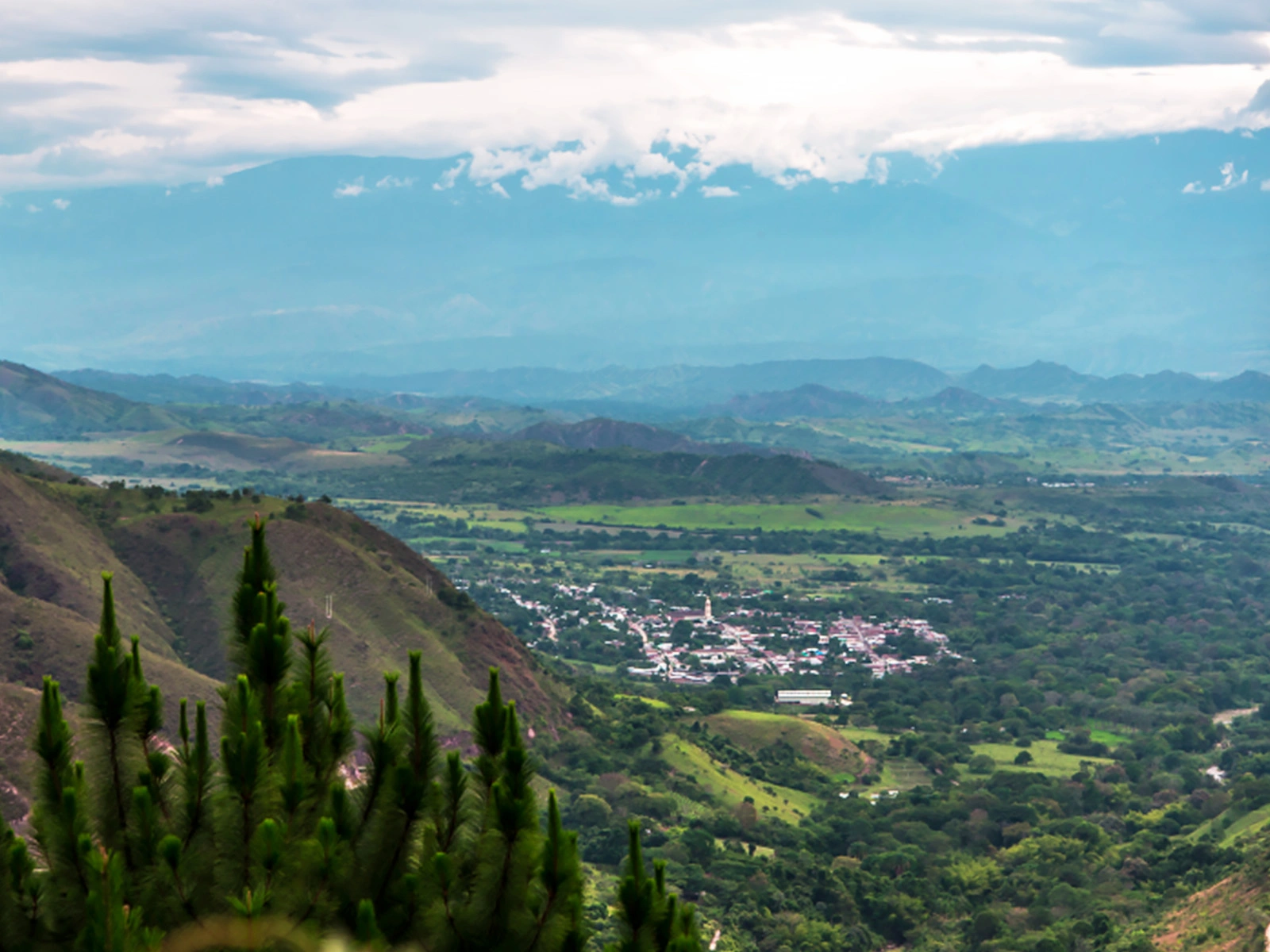
Antioquia
The historic center of Colombian coffee. Elevations range from 1,200 to 1,800 meters above sea level. The climate is warmer and stable. Main varieties include Caturra, Castillo, and Colombia. Processing is predominantly washed.
Antioquia is one of the oldest coffee-growing regions, with well-established infrastructure. There are more medium-sized farms and cooperatives here, with a focus on consistency and cup cleanliness.
Typical profile: nuts, chocolate, caramel, and moderate acidity.
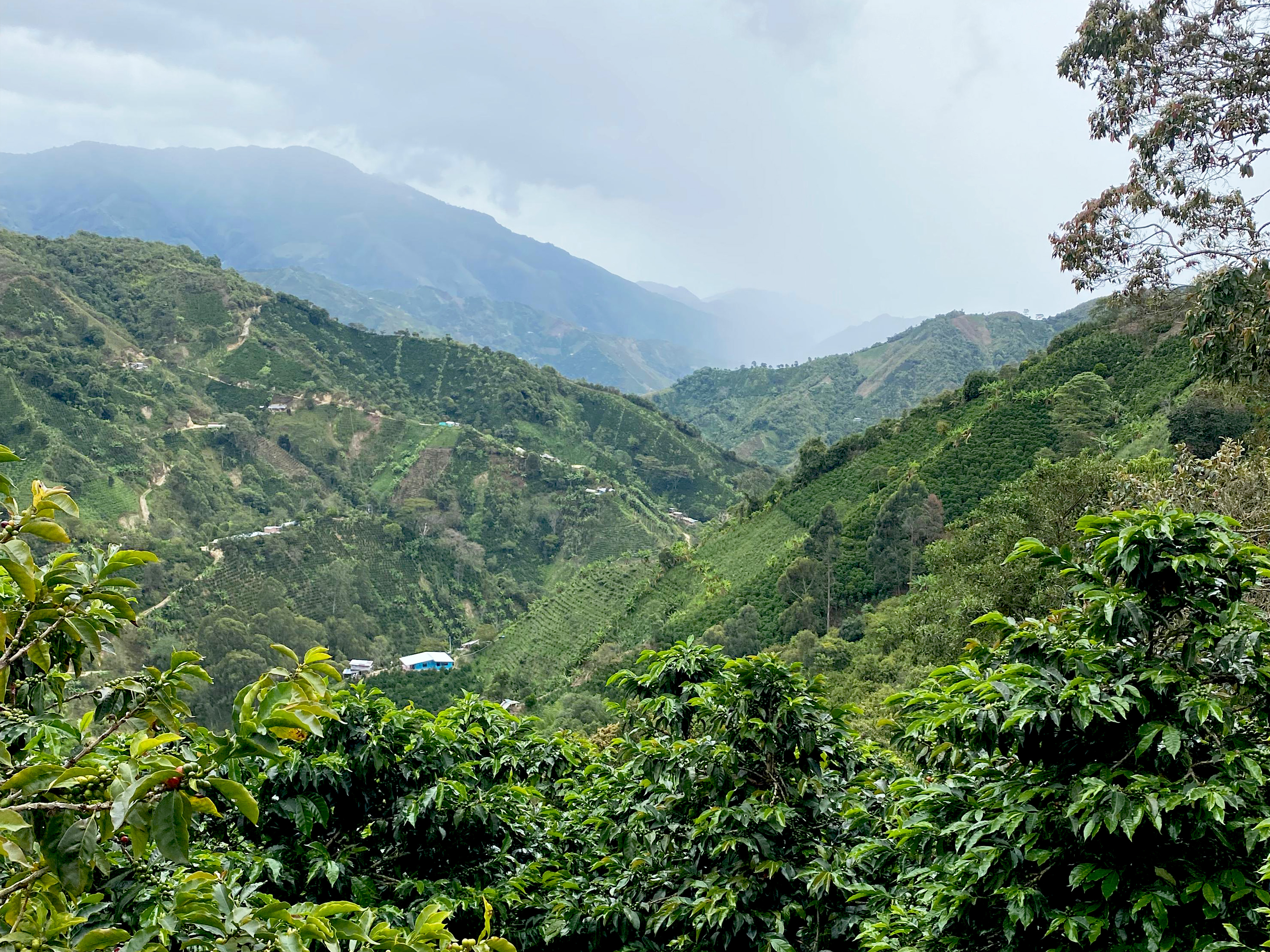
Tolima
A region with strong and rapidly emerging potential. Elevations range from 1,400 to 2,000 meters above sea level.
The climate is diverse and mountainous. Main varieties include Caturra, Castillo, and Bourbon. Processing methods: washed and honey.
Tolima was long less accessible due to security issues, but today it is one of the most dynamic specialty regions. The area is home to many smallholder farms and cooperatives focused on quality.
Typical profile: caramel, stone fruits, chocolate, and a rounded body.
.webp)
Cauca
Elevations range from 1,400 to 1,900 meters above sea level. The climate is stable, with volcanic influence.
Main varieties include Caturra, Typica, and Bourbon. Processing is predominantly washed.
Cauca is known for clean, well-structured cups and strong profile consistency. It is often used as a base for stable specialty lines.
Typical profile: milk chocolate, citrus, honey, and a medium body.
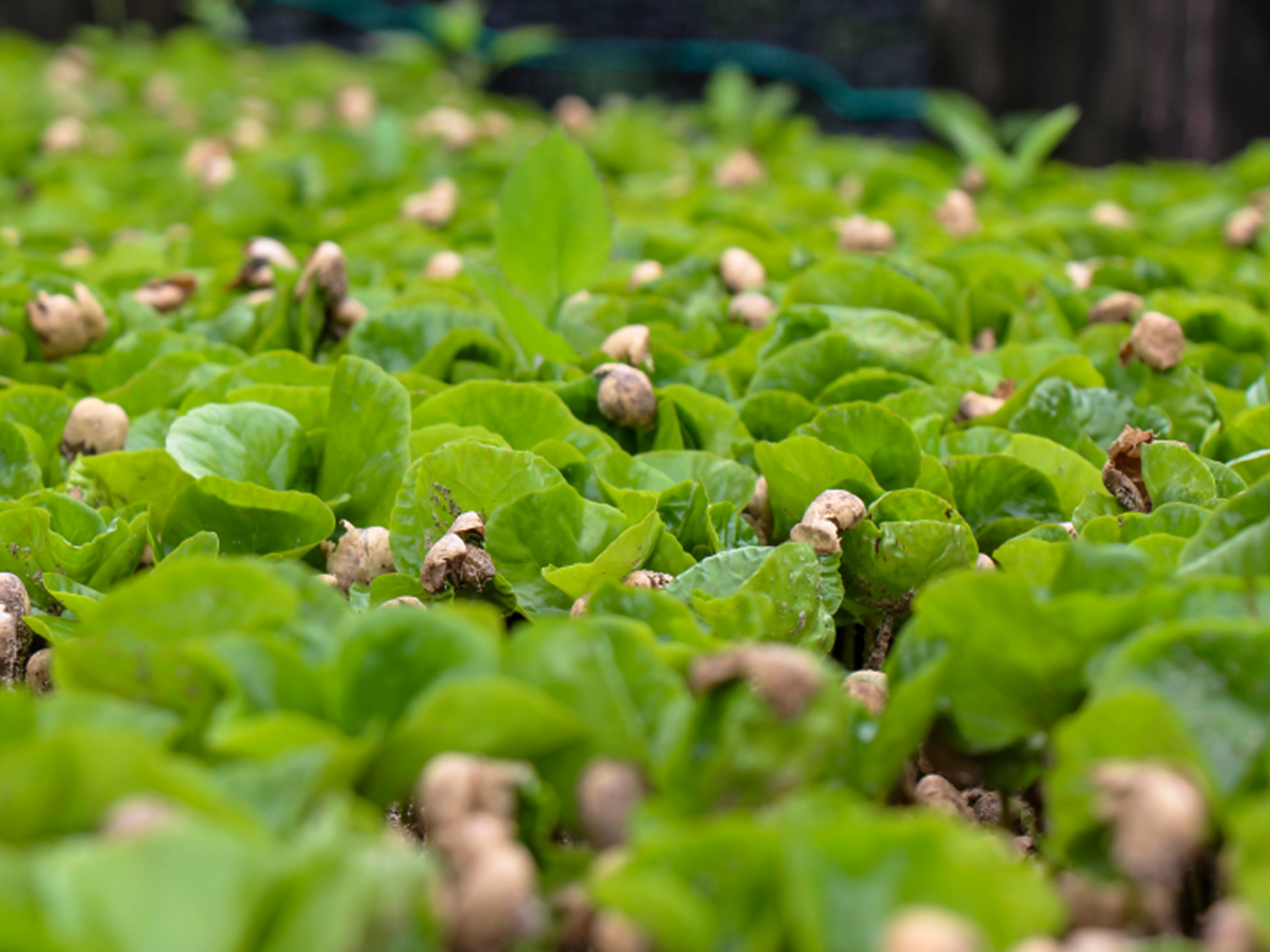
Sierra Nevada de Santa Marta
A unique, isolated terroir. Elevations range from 900 to 1,700 meters above sea level. The climate is tropical, influenced by the Caribbean Sea. Main varieties include Typica and Bourbon. Processing methods: washed and organic.
The region is known for organic production and close collaboration with indigenous communities. Coffee from here is softer, with lower acidity and pronounced sweetness.
Typical profile: cocoa, nuts, spices, and soft acidity.
.webp)
Santander
Elevations range from 1,200 to 1,700 meters above sea level. The climate is drier. Main varieties include Caturra and Castillo.
Processing is predominantly washed.
Santander produces coffee with lower acidity and a dense body, making it well-suited for espresso blends.
Typical profile: dark chocolate, nuts, and spices.