Burundi Coffee Greens
Coffee cultivation in Burundi began in the 1930s during the period of Belgian colonial rule. Today, coffee is one of the country’s key export products, and around 800,000 smallholder households depend directly or indirectly on the coffee sector. The average farm size is extremely small—just 0.1–0.3 hectares—making most production effectively “community-grown.”
Burundi produces 100% arabica, with an overwhelming dominance of Bourbon (mainly Bourbon Mayaguez 139). It’s important to note that this is not an endemic variety, but the result of selection and introduction. The country has very high average growing elevations (1,400–2,000+ meters above sea level), which directly contribute to dense coffee greens and bright acidity. The dominant processing method is washed, though in recent years natural and experimental lots have been increasingly developed.
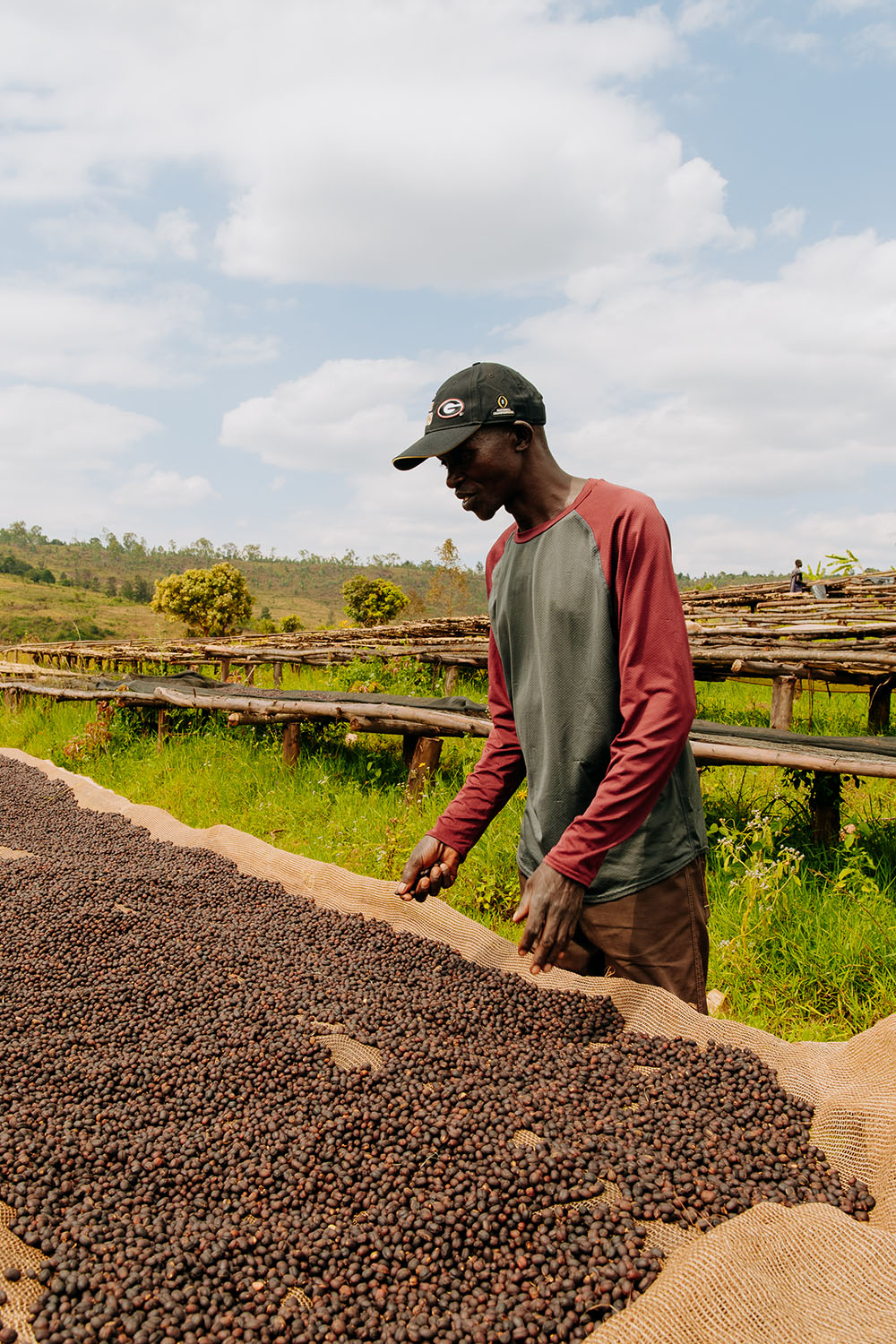
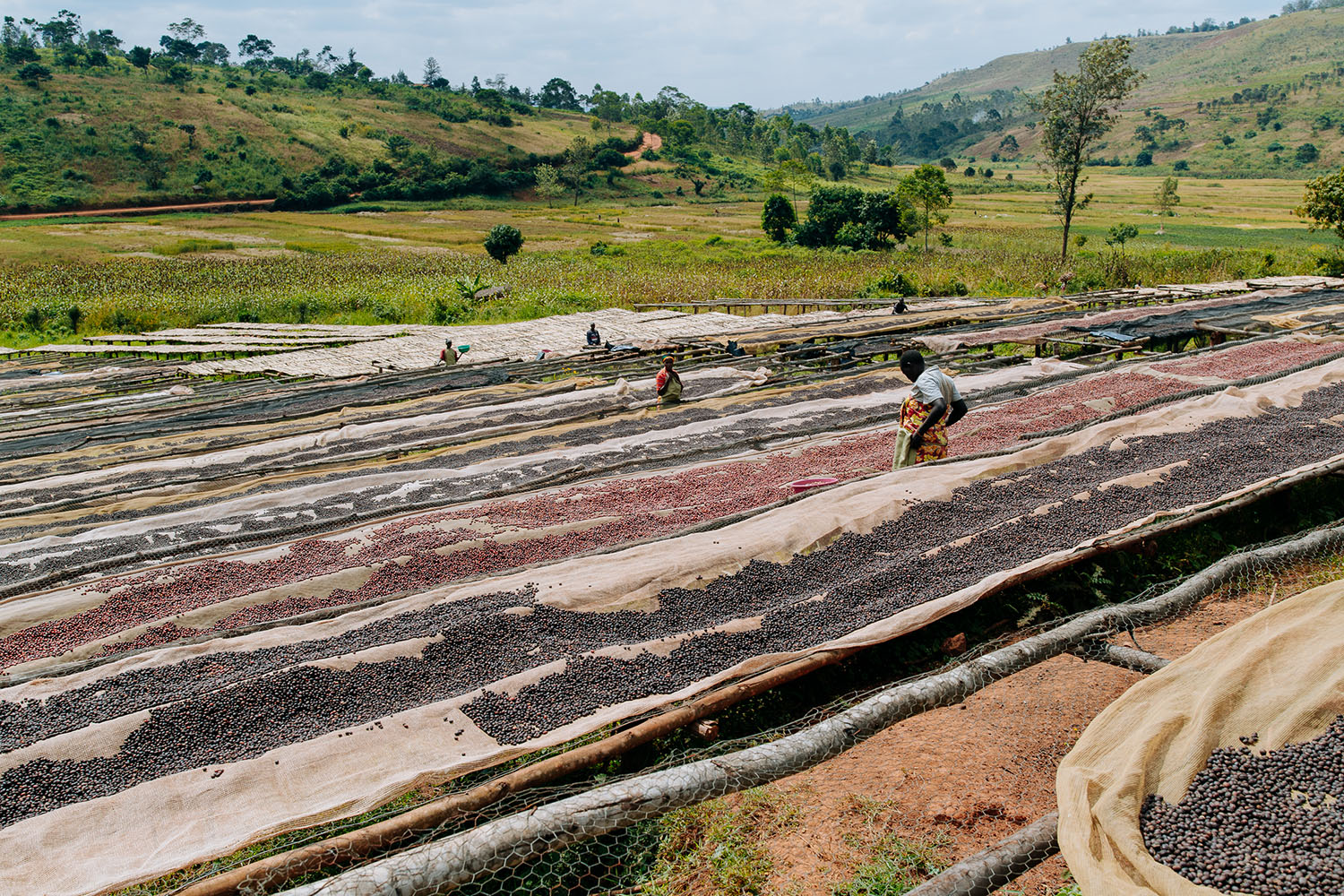
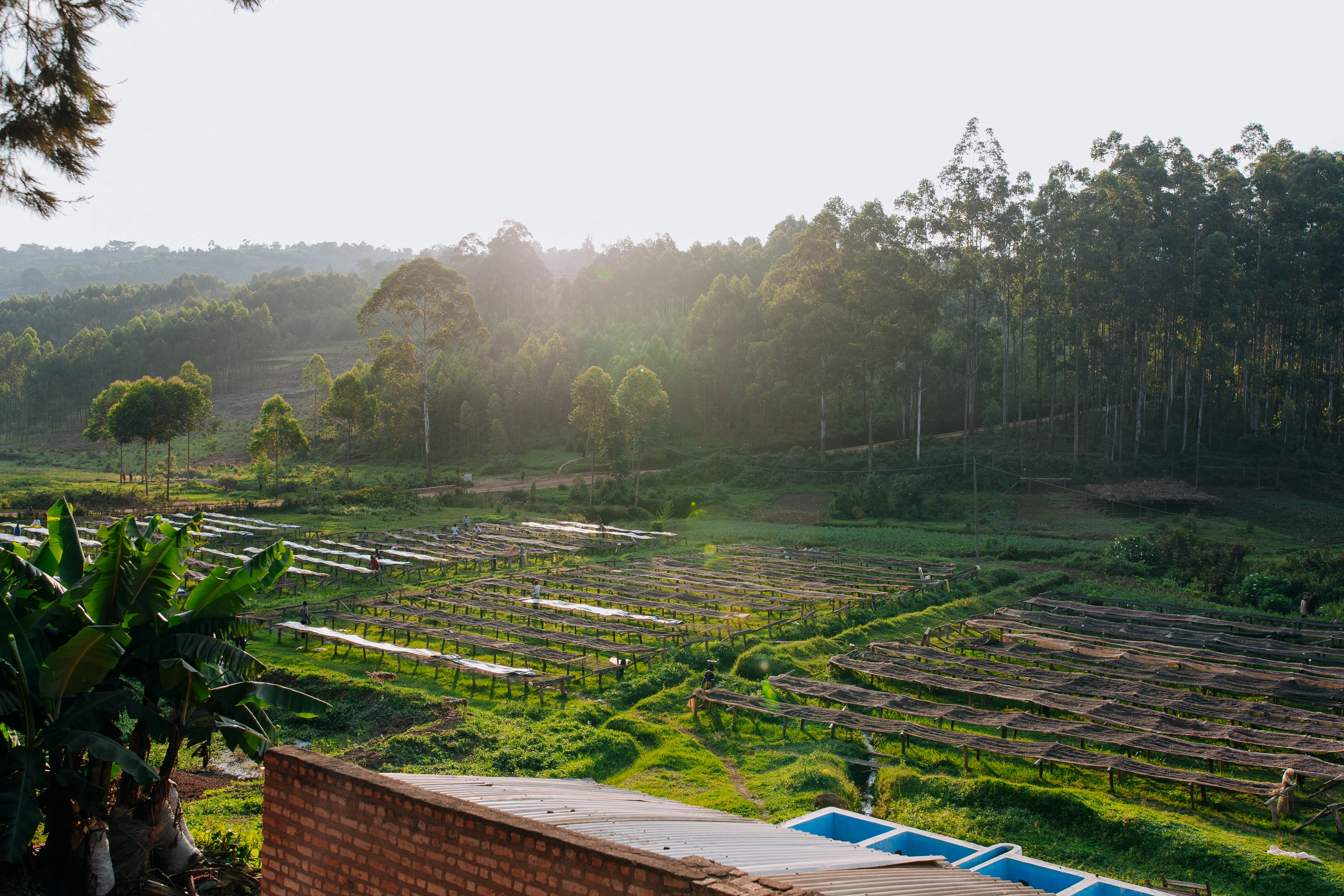
Assortment of the Green Coffee from Burundi
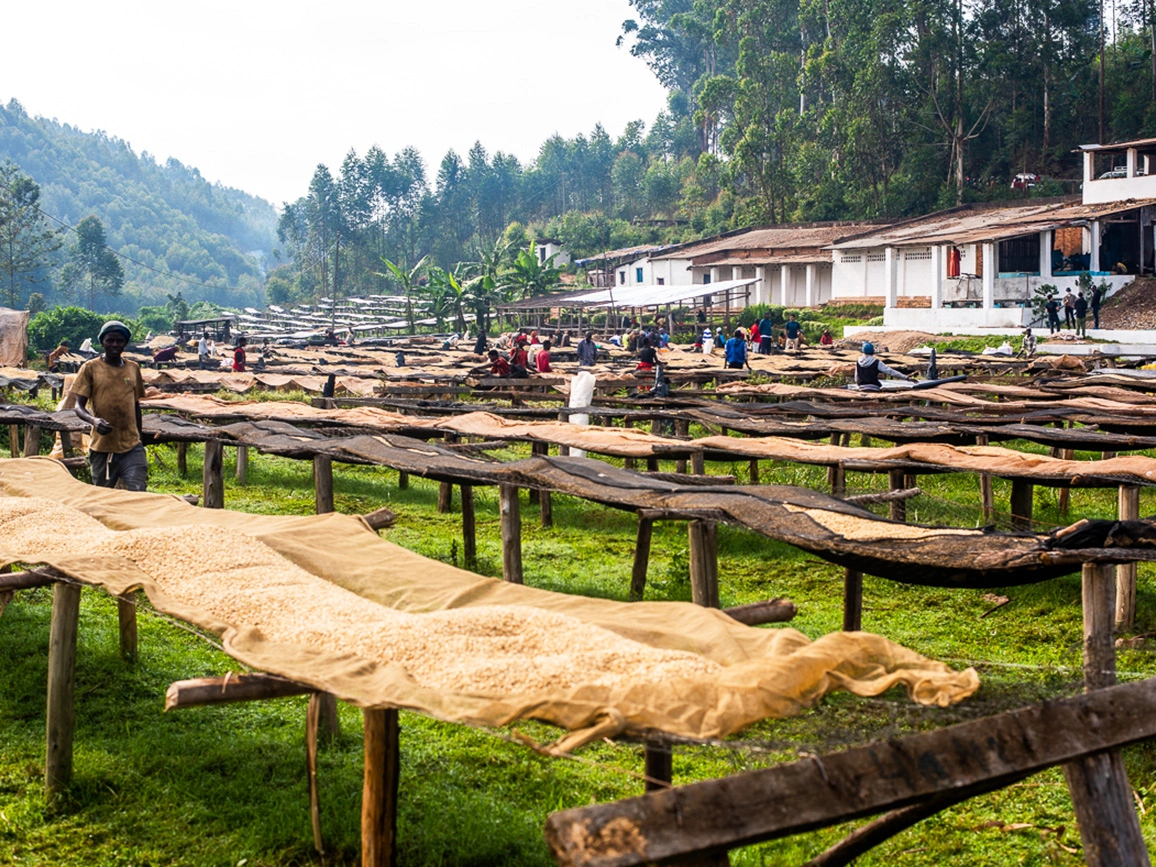
Kayanza
The flagship and calling card of Burundi.
Elevations: 1,700–2,100 meters above sea level.
Climate: cool and stable.
Processing: washed (benchmark), increasingly natural.
Kayanza is the most well-known and highly valued region in the country, often representing Burundi on the global cupping stage. Coffee from this region shows bright yet clean acidity, notes of red berries, citrus, black tea, and a very dry, long finish. Thanks to the high concentration of quality washing stations, coffees from Kayanza tend to be especially structured and well-defined.
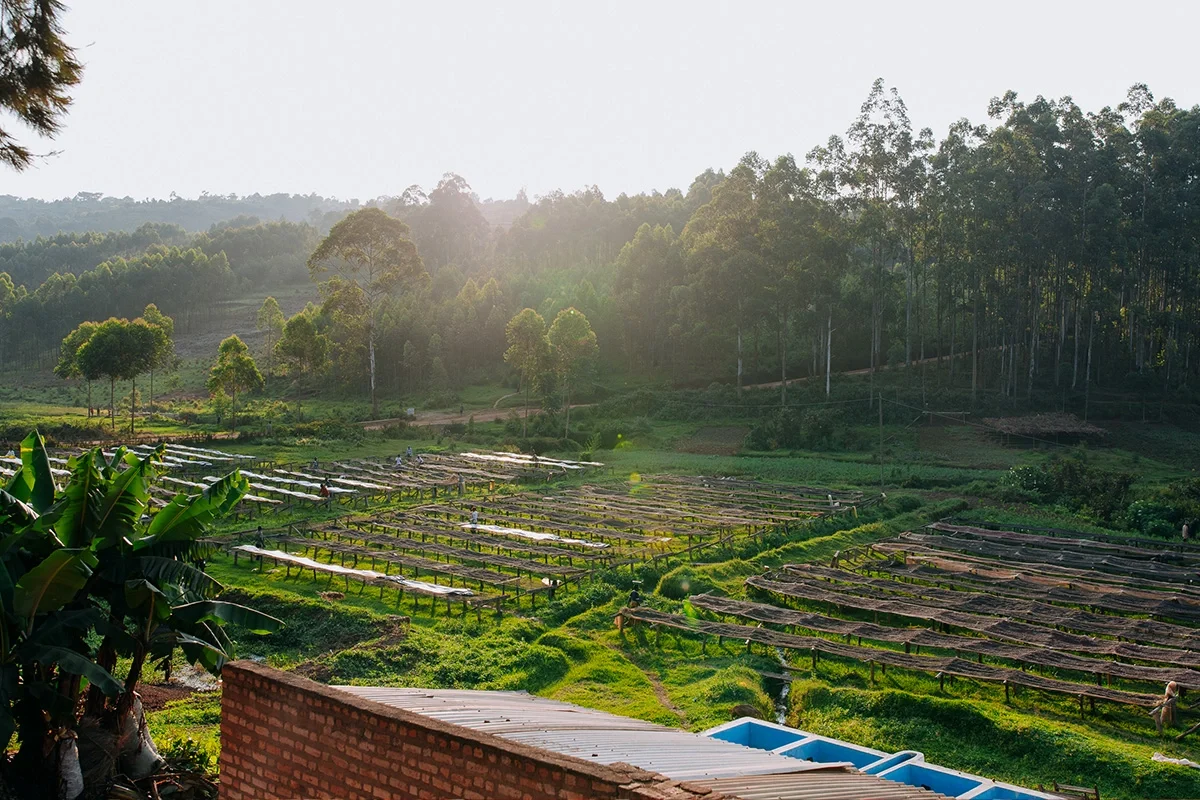
Ngozi
Elevations: 1,500–1,900 meters above sea level.
Processing: washed.
Ngozi is typically less intense in acidity than Kayanza, but stands out for its sweetness and balance. Notes of ripe berries, caramel, and red apple are more common here, with a rounder body. This is a region where the cup profile is more accessible and easy to read for a broader specialty audience.
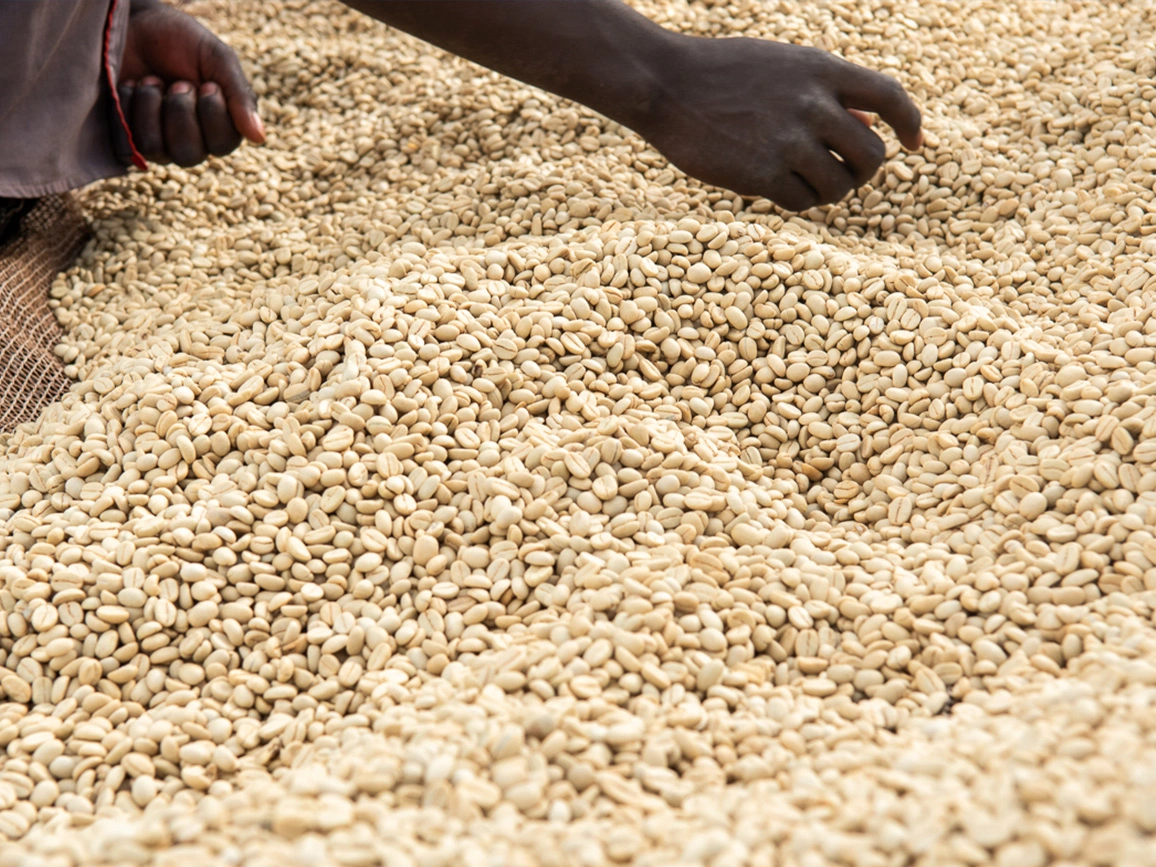
Muyinga
Elevations: 1,400–1,800 meters above sea level.
Climate: warmer and drier.
Processing: washed, occasionally natural.
Muyinga produces a more expressive, fruit-forward cup with notes of ripe cherry, red fruits, and soft citrus acidity. The profile is typically less tea-like and more juicy, sometimes even slightly wine-like. Due to the climate, the profile can be less consistent from lot to lot.
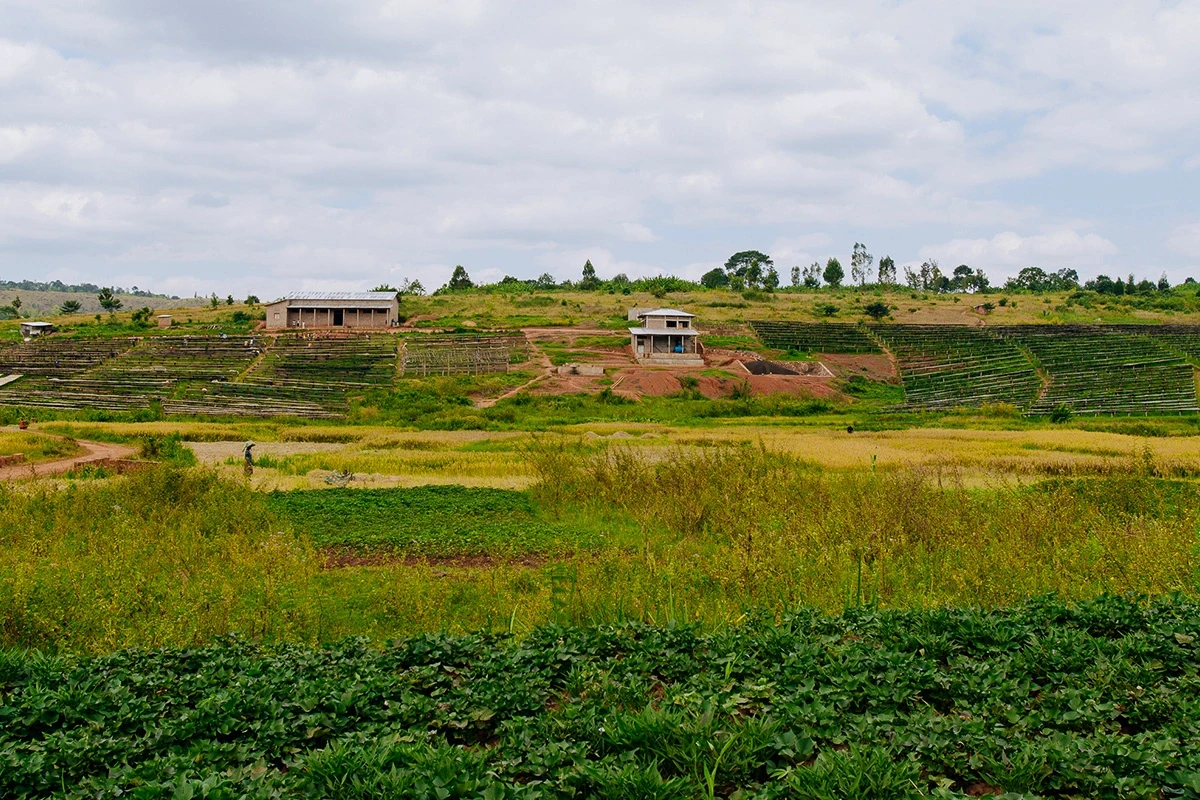
Kirundo
Elevations: 1,300–1,600 meters above sea level.
Climate: drier and hotter.
Processing: washed.
Kirundo is a less well-known and less specialty-focused region. Coffee here is more straightforward, with lower acidity, a rounder body, and notes of ripe fruit and caramel. It is more often used in blends or as accessible single origin lots.
%20(1).webp)
Gitega (Central Highlands)
Elevations: 1,600–2,000 meters above sea level.
Key feature: new washing stations and quality improvement programs.
The central regions, particularly Gitega, are currently developing rapidly in terms of quality. The altitude and soils are already strong, but infrastructure is not yet fully consistent. In the best lots, you can find notes of dark berries, spices, tea-like characteristics, and a complex finish.