Brazil Coffee Greens
In Brazil, coffee was introduced in the XVIIth century and since 1840 the country has been among the leading coffee producers and exporters in the world. There are nearly 300 000 coffee plantations, most of which are located in 13 states with the most popular regions of Bahia, Espírito Santo, Minas Gerais, Paraná and São Paulo. The average altitude of the farms is approx. 1100 m.a.s.l. so most of the local beans are not dense and classified as High Grown Coffee. However, relatively low altitudes are compensated by the perfect climate conditions ranging from tropical to temperate: stable, hot and humid; and rich soils. The harvest period lasts from May to August.
Common varieties cultivated in Brazil include Bourbon, Typica, Caturra, Catuai, Acaia, Mundo Novo, Obatã and Icatu with the last four being introduced here.
Brazilian coffee beans are famous for the chocolate-nutty profile with low acidity, heavy body and constant quality from year to year.
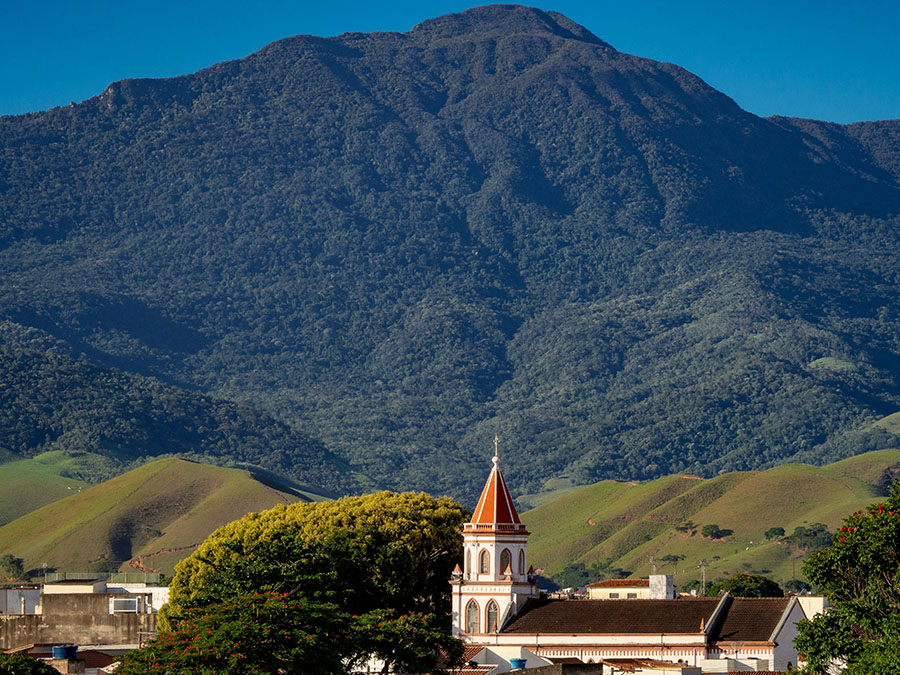
Assortment of the green coffee from Brazil
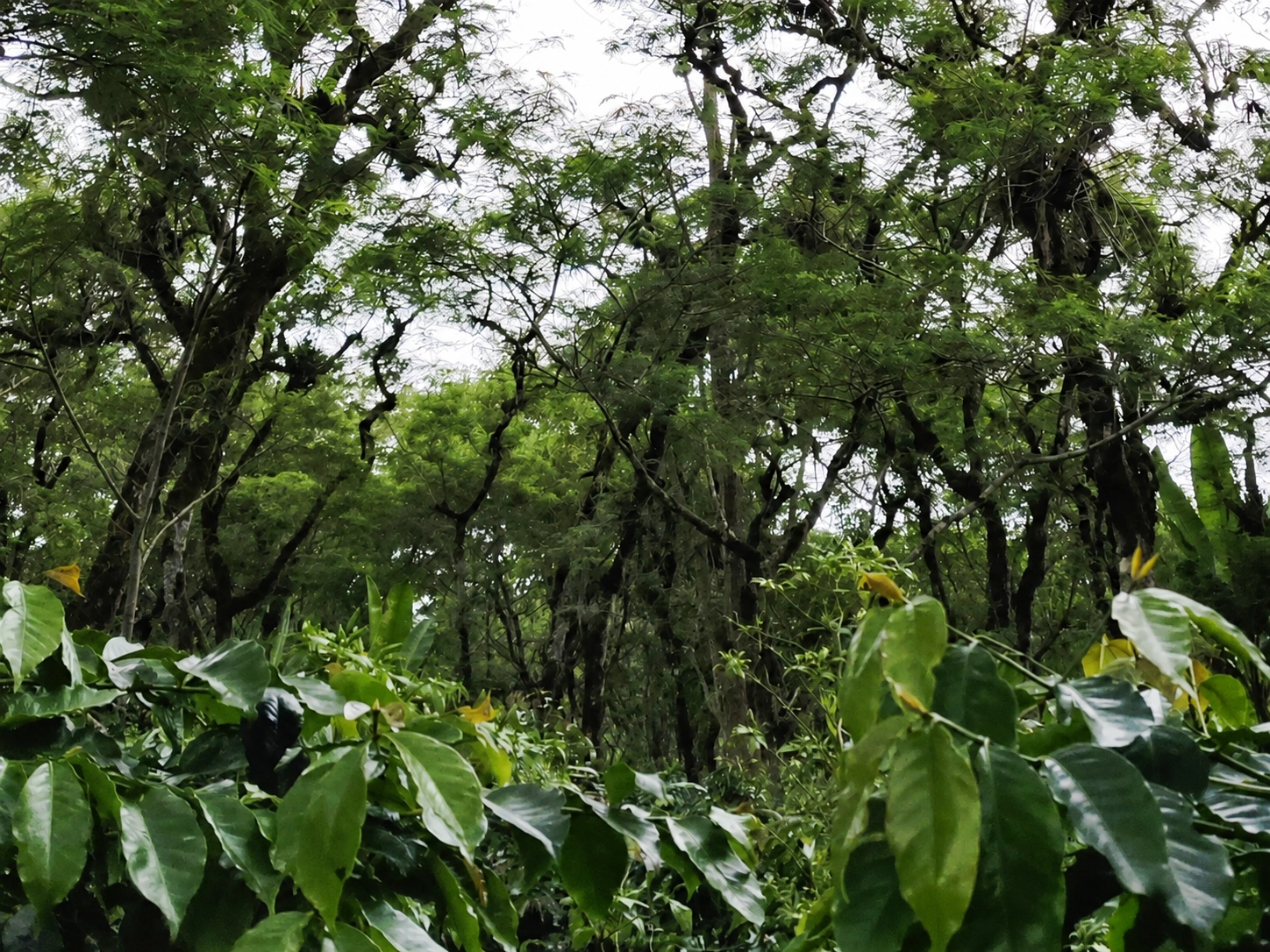
Minas Gerais
The largest and most strategically important coffee region in the country, accounting for around 50% of Brazil’s total production. Elevations range from 800 to 1,200 meters above sea level. Processing methods include natural, pulped natural, and honey.
Key subregions:
• Sul de Minas
• Cerrado Mineiro
• Mantiqueira de Minas
Flavor profile: milk chocolate, hazelnut, almond, caramel, low, rounded acidity, and a dense, creamy body.
What’s important to know:
Cerrado Mineiro holds official DO (Denomination of Origin) status, is known for very high consistency in quality, and serves as an ideal base for espresso and blends.
Espírito Santo
Production share: ~20–25%
Elevations:
• lowlands: 200–500 m
• mountains (Caparaó): up to 1,200+ m
Arabica is grown in the mountainous areas, resulting in higher acidity, notes of red fruits and spices, and clean washed and honey lots.
Bahia
Elevations range from 800 to 1,300 meters above sea level.
The climate is drier and more controlled, with irrigation widely used (irrigated farming).
Flavor profile: dark chocolate, dried fruits, spices, and occasionally brighter fruit notes (especially in natural lots).
Key characteristics:• very high level of mechanization• stable quality even in challenging years• the Chapada Diamantina region is a flagship for specialty coffee
São Paulo
Elevations range from 800 to 1,200 meters above sea level. Key region: Mogiana.
Flavor profile: milk chocolate, caramel, red apple, and soft, wine-like acidity.
Key characteristics: smaller production volumes than in the past, but a stronger focus on specialty; well-balanced coffees suited for single origin espresso.
Paraná
Paraná reshaped the history of Brazilian coffee by proving that coffee is not about where it’s convenient, but where it is sustainable in the long term. The 1975 frosts devastated the region as a coffee leader, forcing the country to relocate production, restructure its agricultural model, and lay the foundation for the stable, large-scale Brazil we know today.
Elevations range from 600 to 900 meters above sea level.
The climate is cooler, with a risk of frost.
Today, the region has lower production volumes and produces more classic, straightforward profiles, mainly used for the commercial segment.